
Arabusta
Coffea x arabusta Capot & Aké Assi
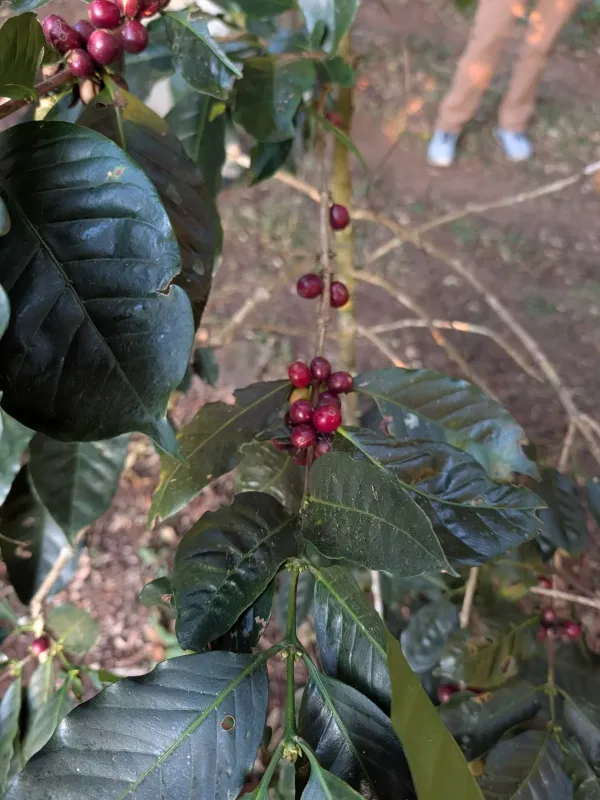
Description
Growing requirements
Arabusta (Coffea x arabusta) is an interspecific hybrid resulting from the crossbreeding of Coffea arabica and Coffea canephora (Robusta). It belongs to the Rubiaceae family and was primarily developed to integrate the high-quality flavor profile of Arabica with the environmental resilience and high productivity characteristic of Robusta.
The hybrid was first cultivated in the Ivory Coast during the 1960s. Its cultivation is primarily localized in tropical regions where climate conditions are consistent, preventing temperature extremes that could negatively affect the development of the hybrid plant's delicate floral structures.
Soil requirements for Arabusta include deep, fertile, and well-drained soil, preferably with a slightly acidic pH. The plant is prone to root rot in waterlogged conditions, making well-drained highland slopes the ideal environment for establishing sustainable coffee plantations.
Agricultural management requires a balanced approach to fertilization, focusing on nitrogen-phosphorus delivery during the active growth phases. Pruning techniques are essential for maintaining the desired height and promoting better air circulation within the canopy, which helps in preventing fungal outbreaks in humid environments.
In terms of economic use, Arabusta is highly valued in the commercial coffee industry for creating specialized blends. It offers a unique middle ground for roasters, providing a pleasant acidity associated with Arabica, complemented by the body and higher caffeine content inherited from the Robusta parent.
Yield
The yield potential of Arabusta is generally higher than that of traditional pure-bred Arabica varieties. Through the effect of hybrid vigor, these plants display improved growth rates and a more reliable harvest schedule, which makes them an attractive option for producers aiming to maximize total output per hectare.
Main diseases and pests
Like its parent species, Arabusta is susceptible to various coffee-specific pests and diseases, most notably coffee leaf rust (Hemileia vastatrix). Continuous monitoring and the implementation of integrated pest management (IPM) strategies are vital to maintaining the health of the crop.
The coffee berry borer remains the most significant insect threat, capable of causing substantial damage to the cherries during their development. Preventive measures include proper harvest hygiene and the use of insect traps to reduce population density and protect the quality of the harvested beans.