
Coccoloba rugosa
Coccoloba rugosa
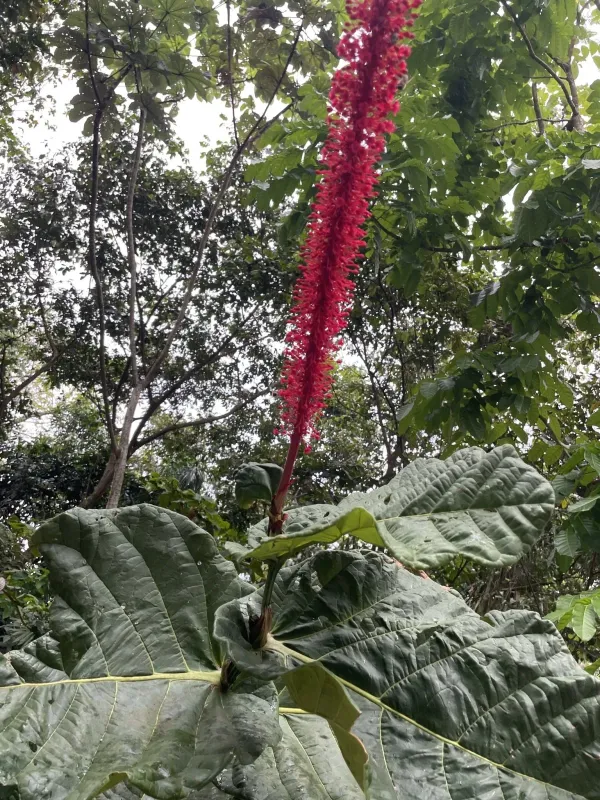
Description
Growing requirements
Coccoloba rugosa is a distinguished plant species within the Polygonaceae family, native to the Caribbean region, specifically found in Puerto Rico. It is widely recognized for its robust, deeply rugose, and leathery leaves, which provide significant aesthetic value.
The plant thrives in tropical climates characterized by warm temperatures and consistent high humidity. It is strictly frost-sensitive and should be kept in environments where temperatures do not drop below the critical threshold, making it ideal for tropical garden landscapes.
Regarding soil requirements, Coccoloba rugosa prefers well-drained, fertile soil types. Proper drainage is essential to prevent waterlogged conditions, which can lead to rapid deterioration of the root system and plant death.
Agrotechnical management involves providing ample sunlight, although young plants may benefit from partial shade during peak intensity hours. Consistent watering is required, allowing the top layer of soil to dry slightly between applications to maintain root health.
In terms of usage, the plant serves primarily as an ornamental specimen in botanical gardens and luxury tropical landscape projects. Its unique architectural foliage makes it a highly desirable plant for enthusiasts of rare tropical flora.
Main diseases and pests
The primary pests affecting Coccoloba rugosa include scale insects and mealybugs. These pests attach themselves to stems and the undersides of leaves, extracting plant sap and leading to reduced vigor and leaf yellowing.
Root rot is a significant pathological threat, typically induced by poor drainage or overwatering. Once established, the fungus impairs the plant's ability to absorb nutrients, requiring immediate intervention with fungicide and soil aeration.
Spider mites represent a recurring issue, particularly during periods of low air humidity. These microscopic pests cause fine stippling on the leaves, eventually leading to foliage drop if left unmanaged by regular misting or acaricide treatments.
Fungal leaf spots can occur when air circulation is poor and leaves remain moist for extended periods. Pruning affected leaves and improving environmental conditions are effective strategies to prevent the spread of the infection.
For sustainable control, implementing a scouting program is essential. Regular inspection of foliage and trunk bases allows for the early detection of threats, enabling targeted and safe treatment protocols for the maintenance of plant health.