
Cleretum clavatum
Cleretum clavatum
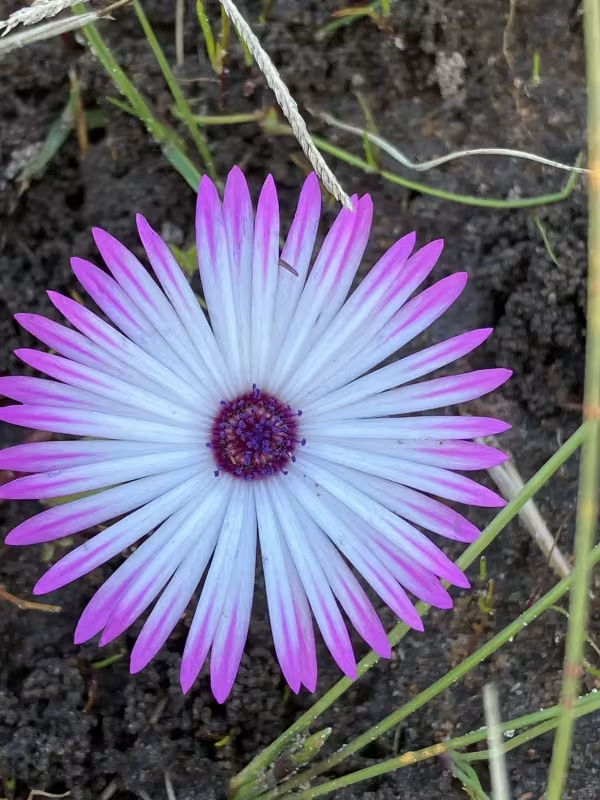
Description
Sowing dates
Cleretum clavatum, a member of the Aizoaceae family, is a sun-loving annual succulent. Seeds are sown directly into the open ground once the danger of spring frost has passed and the soil has warmed sufficiently for active growth.
For earlier blooms, seeds can be started indoors in late March. Use a well-draining, sandy substrate designed for cacti or succulents. It is crucial to provide bright, indirect light to the seedlings to prevent etiolation during the early growth phase.
The seeds are tiny and should be sown on the surface of the soil, barely pressed in. Maintain high humidity by covering the container with plastic or glass until germination occurs, ensuring the soil remains slightly moist but never waterlogged.
Pricking out the seedlings should be done carefully when the first two true leaves appear. Handle the young plants with extreme care to avoid damaging the roots, as this species is sensitive to root disturbance during transplanting.
When moving to a permanent location outdoors, space the plants about 20 centimeters apart. This spacing allows for proper air circulation and ensures that the plants can spread naturally without creating a humid environment prone to rot.
Growing requirements
Native to the arid regions of Southern Africa, Cleretum clavatum thrives in full sun. It requires at least six to eight hours of direct sunlight daily to maintain its compact growth form and produce its characteristic vibrant flowers.
The soil must be extremely well-draining. A mix of garden soil, coarse sand, and grit is ideal. If the soil is heavy or tends to retain water, the plant will likely suffer from root rot, which is the primary cause of failure in cultivation.
Watering should be infrequent and restricted to periods of active growth. Allow the substrate to dry out almost completely between watering sessions. During humid or cool periods, watering must be suspended entirely to prevent moisture-related issues.
The plant is highly heat-tolerant, making it an excellent choice for rock gardens or arid borders. It does not require high humidity and will actually perform better in dry air, which helps reduce the incidence of fungal pathogens.
Fertilization should be kept to a minimum. A dilute liquid fertilizer formulated for succulents can be applied once or twice during the growing season. High-nitrogen fertilizers should be avoided as they promote lush, weak growth instead of flowering.
Main diseases and pests
The most significant threat to Cleretum clavatum is fungal rot caused by overwatering or poor soil drainage. When the roots remain in saturated soil for too long, they lose the ability to take up nutrients and eventually decompose.
Mealybugs are the most common pests, particularly if the plant is kept in poor ventilation. Regular inspections of the foliage and stems are recommended. If infestation occurs, topical application of rubbing alcohol or systemic insecticides can be used.
Aphids may occasionally target the new, succulent growth. They can cause leaf distortion and stunt the overall development of the plant. A gentle spray of water or an insecticidal soap is typically sufficient to control minor outbreaks.
Botrytis, or gray mold, can affect the plant during prolonged periods of high humidity or rainy weather. To prevent this, ensure that the plants are located in a well-ventilated area and avoid overhead watering that keeps the foliage wet for long periods.
Weed control is essential, as competing vegetation can create a microclimate with higher humidity and reduced airflow. Keeping the area surrounding the plants clean and free of debris is a vital part of the overall disease management strategy.