
Livingstone daisy
Cleretum apetalum
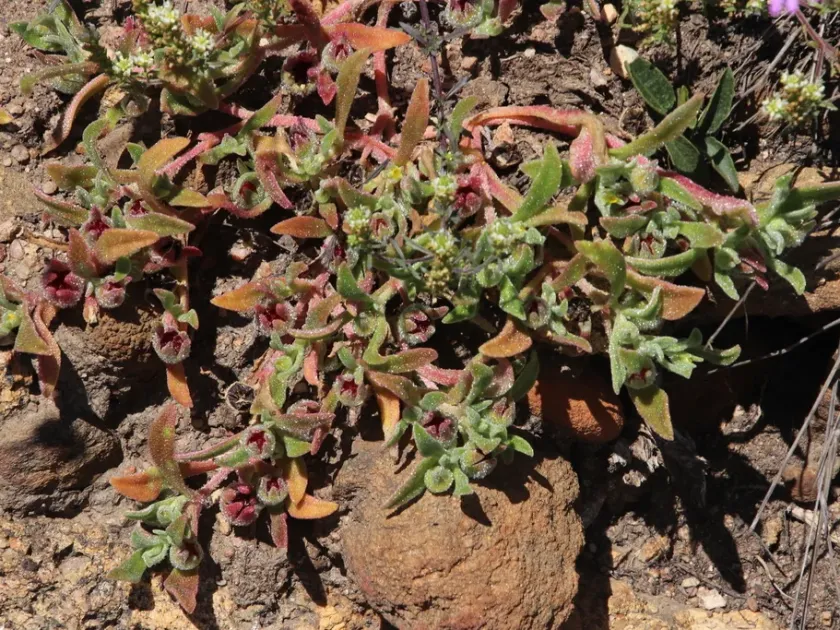
Description
Sowing dates
The Livingstone daisy is an annual plant, typically grown from seeds sown in early spring. To start the seeds, use a light, well-draining seed-starting mix, placing them on the surface as they require light to germinate effectively.
Indoor sowing can begin in March, ensuring a constant temperature of around 20 degrees Celsius. Seedlings need plenty of natural light or artificial grow lights to prevent them from becoming leggy and weak before being transplanted into the soil.
Direct outdoor sowing should be reserved until the risk of frost has completely passed and the soil has warmed up significantly. This typically occurs in late May, as the plant is highly sensitive to cold temperatures and wet soil conditions.
When the seedlings have developed their first set of true leaves, they should be pricked out into small containers to allow for root expansion. Gradually hardening them off by exposing them to outdoor conditions for a few hours daily helps them adjust to external environments.
Space the plants about 15 to 20 centimeters apart when setting them into the garden bed. Proper spacing is essential to ensure adequate airflow around the foliage, which significantly reduces the risk of moisture-related diseases later in the season.
Growing requirements
Belonging to the Aizoaceae family, the Livingstone daisy is a succulent that thrives in full sun. Its native range in Southern Africa dictates its biological preference for high light intensity and dry, well-drained growing conditions.
The soil should be sandy or grit-based to ensure rapid drainage. Any organic matter used should be well-decomposed, as overly rich, nitrogen-heavy soils will produce excessive foliage at the expense of the plant's characteristic vibrant blooms.
Watering requirements are quite low due to the plant's succulent nature. It is much more tolerant of drought than of over-watering, which can lead to rapid root decay and plant collapse within a short period.
This species is ideal for rock gardens, gravelly paths, and coastal landscaping where sandy, poor soil might hinder other plants. Its ability to tolerate low-nutrient environments makes it a versatile choice for modern ornamental landscaping.
Maintaining a neutral to slightly acidic soil pH is beneficial for healthy plant development. Avoiding frequent deep watering ensures that the root system remains vigorous and healthy throughout the warmer months of the year.
Main diseases and pests
Root rot is the most significant threat to the Livingstone daisy, usually caused by stagnant water in the root zone. Ensuring excellent drainage and avoiding overcrowding are the best preventative measures against these soil-borne pathogens.
Aphids are common pests that can infest the stems and buds during dry, warm weather. These sap-sucking insects can be managed through natural predators or the application of insecticidal soaps if the infestation becomes problematic for the plants.
Spider mites can also become an issue during periods of high heat and low humidity. Regular monitoring of the foliage, particularly the undersides of the leaves, allows for quick intervention before the infestation affects the overall plant health.
Slugs and snails may consume the succulent leaves during wet spells or in damp garden corners. Creating barriers or using simple trapping methods can protect the young plants until they are robust enough to withstand minor damage.
General hygiene in the garden, including the removal of dead plant material and controlling weeds, is essential for minimizing the risk of fungal infections. Proper cultural practices are the most effective way to manage threats in this crop.