
Cleisocentron merrillianum
Cleisocentron merrillianum
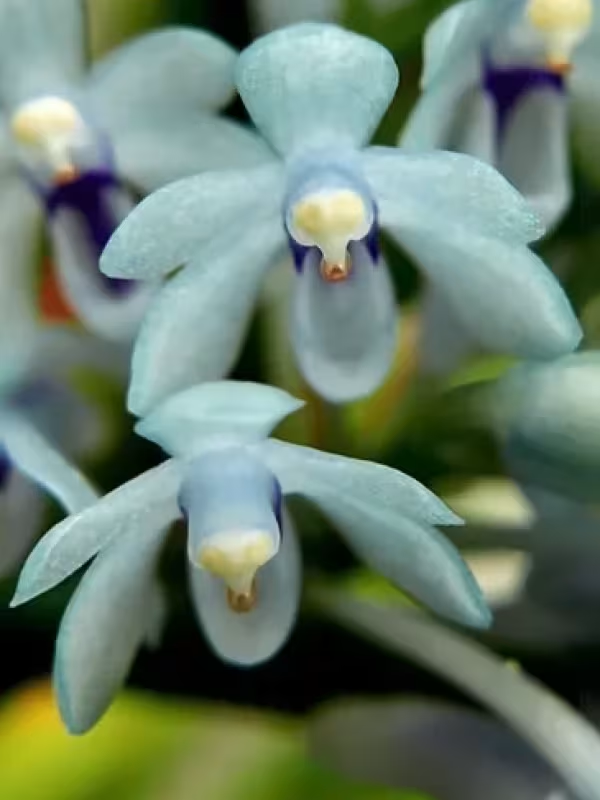
Description
Growing requirements
Cleisocentron merrillianum is an epiphytic orchid belonging to the Orchidaceae family, native exclusively to the island of Borneo. This rare plant is considered a collector's species that requires specific growing conditions, mimicking the environment of high-altitude tropical cloud forests.
The culture thrives in cool to moderately cool temperatures. Ideal daytime conditions are between 18–22°C, while nighttime temperatures should drop to 12–15°C. A significant diurnal temperature fluctuation is essential to stimulate healthy vegetative growth and future flowering cycles.
The plant requires high levels of atmospheric humidity, maintained between 75–85%. In greenhouse or home environments, it is crucial to ensure consistent air circulation to prevent moisture stagnation and the development of fungal pathogens on the root system and foliage.
For substrate, epiphytic mounts like pine bark slabs or baskets with coarse-grade bark chips are used to ensure excellent airflow around the roots. The plant is extremely sensitive to mineral salt accumulation in the substrate, so irrigation must be performed with soft, filtered water.
Lighting should be bright but diffused; direct sunlight must be avoided to prevent burning the leathery leaves. The use of specialized LED grow lights helps compensate for low natural light during autumn and winter, maintaining a sufficient photosynthetic rate for the orchid.
Main diseases and pests
Bacterial rots represent the primary threat to Cleisocentron, typically caused by inadequate ventilation or overwatering. Symptoms include dark, water-soaked spots on the foliage, requiring immediate removal of affected tissue and treatment with professional-grade fungicides.
Among pests, spider mites cause the most significant damage, especially in low-humidity conditions. Regular inspections of the undersides of the leaves combined with preventative acaricide applications are effective strategies to control potential infestations.
Mealybugs can also inhabit leaf axils and root zones, feeding on plant sap and weakening the overall vigor of the orchid. If detected, physical removal followed by the application of systemic insecticides safe for orchids is the recommended course of action.
Improper water quality, specifically high salt content, can lead to stunted growth and loss of root turgor. While not an infectious disease, this physiological stress makes the plant more susceptible to opportunistic pathogens, leading to overall decline.
To prevent the introduction of new pests, all newly acquired specimens should be quarantined for at least one month. Using sterilized cutting tools for maintenance helps minimize the risk of spreading viral infections between rare specimens in a collection.