
Cleisocentron abasii
Cleisocentron abasii
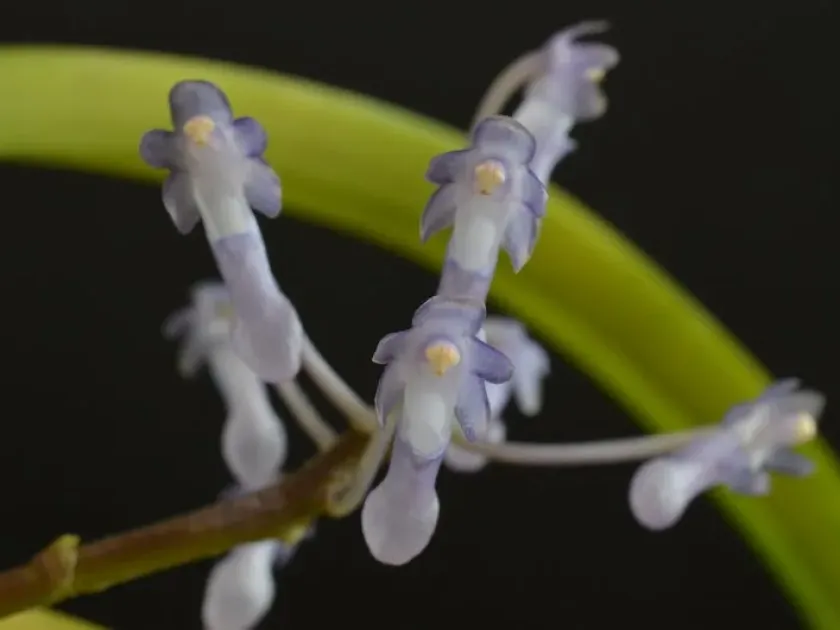
Description
Growing requirements
Cleisocentron abasii is a rare species of epiphytic orchid, classified under the family Orchidaceae. Native to the mountainous tropical forests of Borneo, it thrives in high-humidity habitats perched on tree branches.
In a controlled environment, this plant demands strict climatic conditions. It prefers temperatures between 20°C and 26°C. Maintaining consistency is vital, as drastic fluctuations can lead to stress and reduced growth performance.
Light intensity should be bright but filtered. Direct exposure to solar radiation is detrimental to the leaves, necessitating the use of light curtains or artificial LED grow lights to simulate the dappled light of its natural rainforest habitat.
High relative humidity, typically around 70-80%, is essential for the healthy physiological function of the plant. The growing medium must be porous and allow for rapid water drainage to ensure that the roots receive sufficient oxygen.
The cultural use of this plant is primarily ornamental. It is highly valued by botanical collectors for its distinct botanical structure and exotic inflorescences, making it a prized specimen for specialized greenhouse collections.
Main diseases and pests
Common pests affecting this orchid include spider mites and mealybugs. These organisms thrive in low-ventilation environments and can significantly damage the plant tissues if left untreated.
Fungal rot of the root system and stem is a significant threat, usually caused by over-watering or poor air circulation. Ensuring the substrate does not stay waterlogged is the primary defense against such infections.
Regular visual inspections are necessary to detect early signs of infestation or rot. Using sterilized tools for pruning and maintaining strict sanitation protocols can effectively minimize the spread of pathogens.
Stagnant air is a major factor in the development of foliage spots. The use of small oscillating fans is highly recommended to promote airflow and prevent moisture accumulation on the leaf surfaces.
Treatment protocols involve applying systemic fungicides or horticultural oils specifically formulated for orchids. Maintaining robust plant health through proper fertilization and environment control remains the best preventative measure.