
Citropsis gilletiana
Citropsis gilletiana
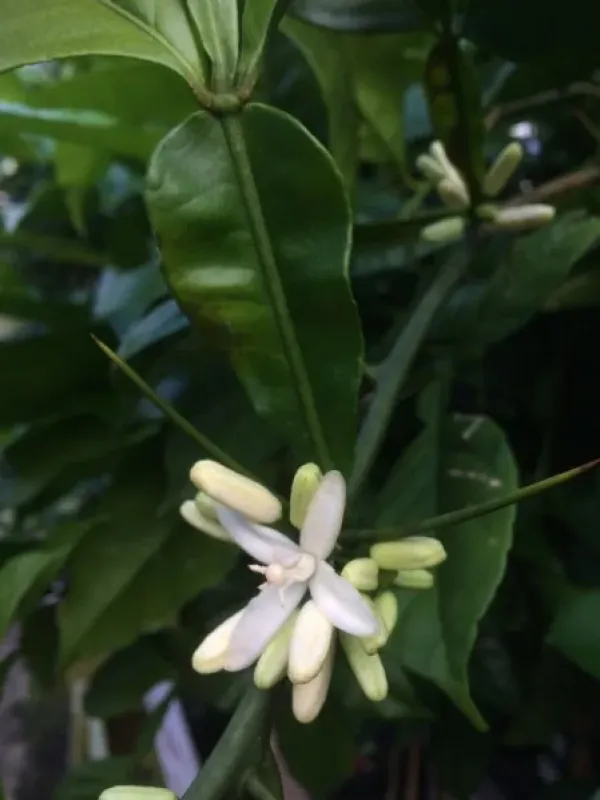
Description
Growing requirements
Citropsis gilletiana is a distinct woody plant belonging to the Rutaceae family. Native to the tropical regions of Central Africa, it thrives in environments characterized by high humidity and consistent warmth typical of rainforest understories.
The plant requires precise climate control for successful cultivation. It thrives in temperature ranges between 20°C and 28°C. It is intolerant of frost and cold drafts, making it suitable only for greenhouses or indoor environments in non-tropical climates.
Soil requirements involve well-draining, nutrient-rich substrates with a slightly acidic to neutral pH. A mix of peat, bark, and perlite is often used to ensure proper aeration for the delicate root system, preventing moisture stagnation.
High relative humidity is essential for this species. To mimic its natural habitat, cultivators should maintain humidity levels above 70%, utilizing misting systems or dedicated humidifiers to prevent leaf desiccation and promote vigorous growth.
Exposure to light should be managed carefully; Citropsis gilletiana prefers bright, filtered light. Direct sunlight can scorch the foliage, whereas insufficient light often results in weak, spindly growth and poor flowering potential.
Main diseases and pests
The plant is susceptible to common citrus pests, particularly spider mites, aphids, and scale insects. These pests thrive in dry environments and can cause severe damage if not managed with regular cleaning and horticultural oils.
Root pathogens represent the most significant threat to plant health. Overwatering often leads to anaerobic conditions in the soil, which triggers the onset of fungal root rot, necessitating strict irrigation discipline and high-quality drainage systems.