
Citropsis articulata
Citropsis articulata
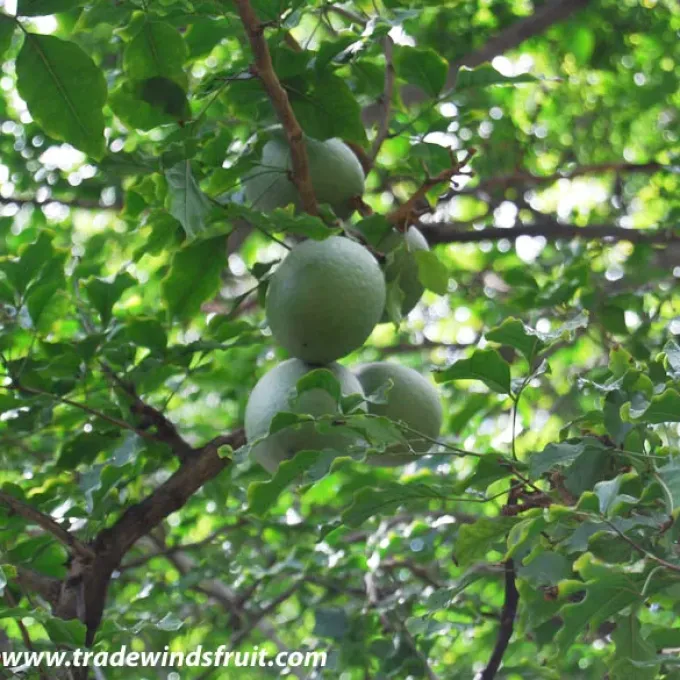
Description
Growing requirements
Citropsis articulata is a plant species belonging to the Rutaceae family. It is an evergreen shrub or small tree native to the tropical forest understories of Central and West Africa.
The plant thrives in a humid tropical climate with high temperatures maintained throughout the year. It requires fertile, well-draining soil rich in organic matter, characteristic of forest environments.
In cultivation, it is essential to provide semi-shaded conditions. Direct sunlight can be detrimental to younger plants, leading to leaf scorching and potential desiccation of the root system.
Water requirements are significant: the plant does not tolerate prolonged dry spells. Irrigation must be consistent, but waterlogging must be avoided to prevent the onset of fungal diseases.
Agrotechnical practices must account for the slow growth rate of this species. When propagating from seeds, proper stratification and a sterile substrate are necessary to protect emerging seedlings from soil-borne pathogens.
Harvesting
The economic value of Citropsis articulata is concentrated in the harvesting of its roots and bark. These parts contain bioactive compounds that are highly valued in traditional medicine for their therapeutic properties.
Harvesting is performed with caution, as excessive exploitation of natural populations can lead to resource depletion. Local communities practice selective harvesting, focusing on mature specimens to ensure a sustainable yield.
Once harvested, the roots are washed to remove debris and then dried in a shaded environment. Proper drying is crucial to preserve the phytochemical profile, which is essential for the production of tinctures or powders.
The plant is primarily used to produce tonics and herbal stimulants. Throughout its native range, it is widely recognized as an aphrodisiac, which drives local demand and underscores its economic importance.
Promoting plantation-based cultivation is recommended to ensure long-term sustainability. This approach reduces pressure on wild populations and ensures the consistency and quality of the medicinal plant material.