
Citropsis daweana
Citropsis daweana
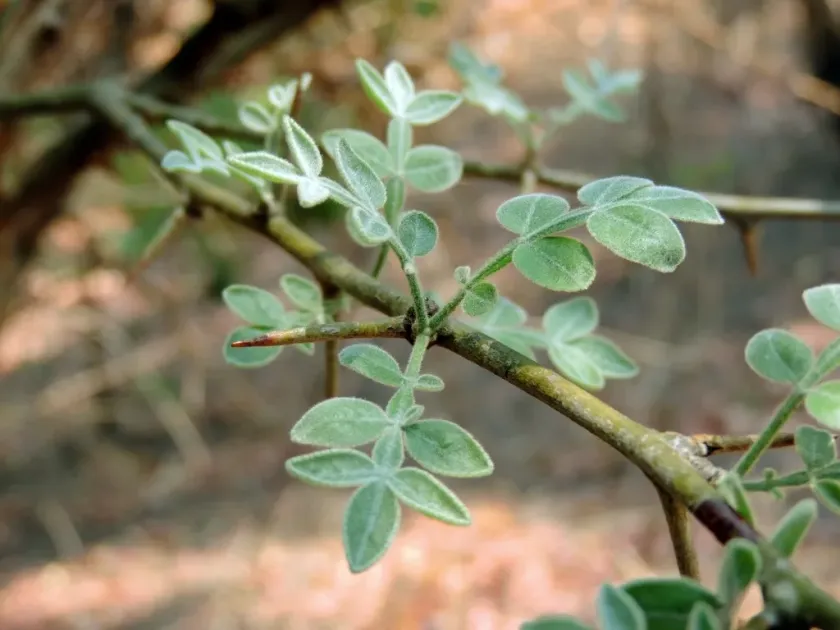
Description
Growing requirements
Citropsis daweana is a distinctive species within the Rutaceae family, native to the tropical regions of Africa. As an evergreen woody plant, it is often referred to as a wild relative of the commercial citrus genus, displaying unique botanical traits and ecological adaptations.
In its native habitat, this species thrives in understory conditions, implying a preference for filtered sunlight rather than direct, harsh solar radiation. Cultivating this plant successfully requires simulating these stable tropical environments in a greenhouse or conservatory setting.
Temperature management is crucial, as the species requires high thermal stability to maintain its metabolic activities. Temperatures should remain within a tropical range, as exposure to cold drafts or temperatures below 10-12 degrees Celsius can cause significant stress.
The growing medium should prioritize drainage and moisture retention. A well-aerated potting mix containing organic matter and perlite is recommended to prevent waterlogging, which is a common cause of failure in domestic cultivation of this species.
From an agricultural standpoint, the plant is primarily researched for its genetic diversity. Scientists utilize Citropsis species as potential rootstock or breeding material to confer resilience against specific pests or environmental stresses found in traditional citrus orchards.
Main diseases and pests
Common plant pathogens affecting Citropsis daweana include various species of Phytophthora, which cause root and collar rot. These diseases are frequently triggered by poor drainage and excessive moisture management in the root zone.
Insects like scale insects and whiteflies pose a major risk to plant health. They attach themselves to the underside of leaves and stems, extracting sap and weakening the tree's vigor while promoting the growth of sooty mold on the foliage.
Spider mites are a particular concern during the winter months when indoor humidity levels drop significantly. These tiny pests cause stippling and yellowing of the leaves, which significantly reduces the plant's photosynthetic capacity.
The transmission of viral pathogens via insect vectors is another threat that requires vigilant monitoring. Once a plant is infected, systemic management becomes complex, often necessitating the removal of the affected specimen to protect others.
Effective pest management involves a strategy of Integrated Pest Management (IPM), including manual cleaning, physical barriers, and the judicious use of horticultural oils rather than harsh synthetic pesticides that the plant may find intolerant.