
Cissus palmatifida
Cissus palmatifida
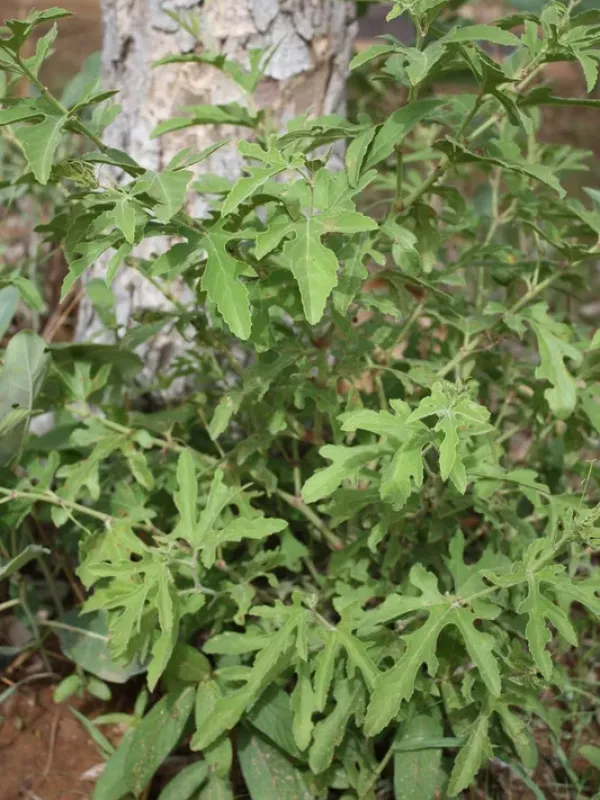
Description
Growing requirements
Cissus palmatifida is a climbing plant species belonging to the Vitaceae family. It is widely recognized for its palmately lobed foliage, which creates a lush, cascading effect suitable for both indoor vertical gardens and specialized conservatories.
Originating from the tropical zones of South America, this plant thrives in warm, humid environments. In cultivation, it requires bright, indirect light, as direct sunlight can easily damage its delicate, thin-textured leaf structure.
The ideal growing medium for this species is a well-draining, peat-based potting mix that retains moisture without becoming waterlogged. Efficient drainage is non-negotiable to prevent root system collapse, which is common in overwatered conditions.
Temperature management is critical for the success of Cissus palmatifida. It performs best in temperatures ranging from 18°C to 25°C. Protecting the plant from cold drafts and sudden thermal fluctuations is essential to maintain the health of the vine.
High relative humidity is necessary to ensure optimal growth and prevent leaf desiccation. Regular misting of the leaves or the placement of the plant near a humidifier is recommended, especially in climates where indoor air remains dry for extended periods.
Main diseases and pests
The primary pests affecting Cissus palmatifida are spider mites and mealybugs. These organisms thrive in dry, stagnant air conditions and can cause significant foliage damage if their populations are not addressed promptly with biological or chemical treatments.
Root rot, often caused by fungal pathogens such as Pythium or Phytophthora, remains the most significant threat to plant longevity. Prevention focuses on maintaining a balanced watering schedule and ensuring that the substrate has adequate aeration at all times.