
Pitayensis Cinchona
Cinchona pitayensis (Wedd.) Wedd.
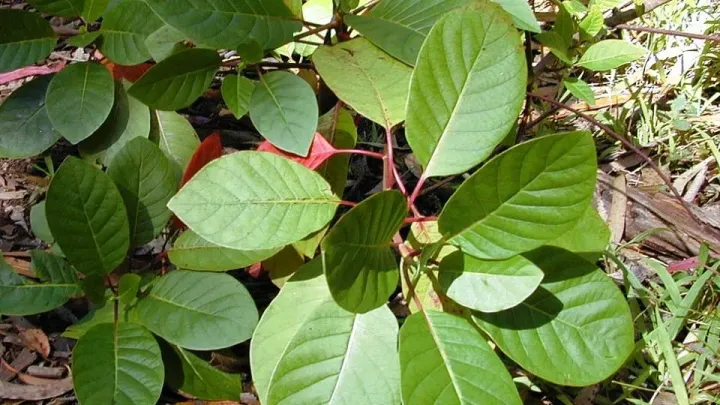
Description
Sowing dates
Propagation of Cinchona pitayensis is primarily carried out through seeds sown in highly controlled nursery environments. Seeds are notoriously short-lived, necessitating immediate sowing after harvesting to ensure high germination rates and seedling vigor.
The seeding medium must be sterile, well-drained, and rich in organic matter to support the delicate root systems of young plantlets. Consistent environmental conditions, specifically temperatures between 23–25°C and high atmospheric humidity, are crucial for successful germination.
Once seedlings achieve a height of approximately 25–30 centimeters, they undergo a gradual acclimatization phase. This transition to outdoor conditions is vital to strengthen the stems and leaves before transplanting them into the field during the onset of the rainy season.
Field planting density varies, but typically ranges from 2,500 to 3,000 trees per hectare. This density promotes steady growth and allows for proper canopy management, which is essential for the long-term productivity and health of the trees in a plantation setting.
Young plantations require intensive maintenance, including weed control and the application of balanced fertilizers to stimulate early growth. Regular inspections ensure that any stunted or diseased seedlings are removed early to maintain the uniformity of the plantation.
Growing requirements
As a member of the Rubiaceae family, Cinchona pitayensis is native to the high-altitude regions of the Andes. It thrives in humid tropical forest conditions, typically at elevations ranging from 1,500 to 3,000 meters above sea level where the climate is temperate and consistent.
The species requires deep, fertile, and well-drained soils with a moderately acidic pH, ideally between 4.5 and 6.0. Proper soil structure is paramount, as the trees are highly susceptible to root decay if the soil remains waterlogged for extended periods.
Temperature stability is a defining requirement for this culture, as the plant does not tolerate frost or extreme heat. It prefers the dappled shade typical of its natural habitat, which helps maintain lower transpiration rates and preserves moisture in the soil.
High annual rainfall, often exceeding 2,000 millimeters, is necessary to sustain growth throughout the year. If dry seasons occur, supplemental irrigation is mandatory to prevent stress and ensure that the production of secondary metabolites in the bark remains high.
Good agricultural practices also include regular monitoring of soil fertility and the prevention of erosion, especially on hilly terrain. Implementing terracing or cover crops can help stabilize the soil and maintain its nutritional profile over the life of the plantation.
Yield
The primary economic output of Cinchona pitayensis is its bark, which is a rich source of alkaloids, most notably quinine. Commercial production relies on the harvesting of bark from the stems and branches of trees that have matured over an 8 to 12-year cycle.
The accumulation of alkaloids is age-dependent; therefore, plantations must be managed with a long-term view. Harvesting generally involves either stripping the bark from selected branches or cutting down the tree to harvest all available bark, depending on the management strategy.
Post-harvest processing is critical to the value of the yield. The bark must be dried rapidly and uniformly in specialized facilities to inhibit fungal growth and chemical degradation, ensuring the concentration of alkaloids meets the standards of pharmaceutical buyers.
The quality of the yield is heavily influenced by the genetic quality of the planting stock. Many modern plantations utilize selected clones that have been specifically bred for high alkaloid yield and resilience against common regional diseases.
Yield monitoring involves testing samples from various sections of the plantation to track alkaloid profiles over time. This data is essential for optimizing harvesting schedules and ensuring the economic viability of the entire cultivation operation.
Main diseases and pests
Pathogenic fungi, particularly those within the Phytophthora genus, represent the most significant threat to Cinchona plantations. They cause root rot and stem decay, which are especially prevalent in regions with poor soil drainage or excessive rainfall during the growing season.
Various insect pests, including aphids, scale insects, and leaf-feeding caterpillars, can significantly weaken the trees. Infestations not only stunt growth but also act as vectors for secondary infections, leading to long-term decline in bark quality and quantity.
Nematodes are another persistent threat that attacks the root system, causing systemic issues that reduce the plant's nutrient uptake efficiency. Preventive measures, such as soil sterilization in nurseries and proper crop rotation, are essential for mitigation.
Leaf spot diseases, caused by various fungal and bacterial pathogens, can lead to premature defoliation, reducing the plant's capacity for photosynthesis. Keeping a close watch on leaf health is critical for early detection and rapid management intervention.
An integrated pest management (IPM) approach is recommended to balance chemical controls with biological and cultural practices. This strategy minimizes the impact on the surrounding ecosystem while ensuring the health and longevity of the cinchona trees.