
Cinchona calisaya
Cinchona calisaya Wedd.
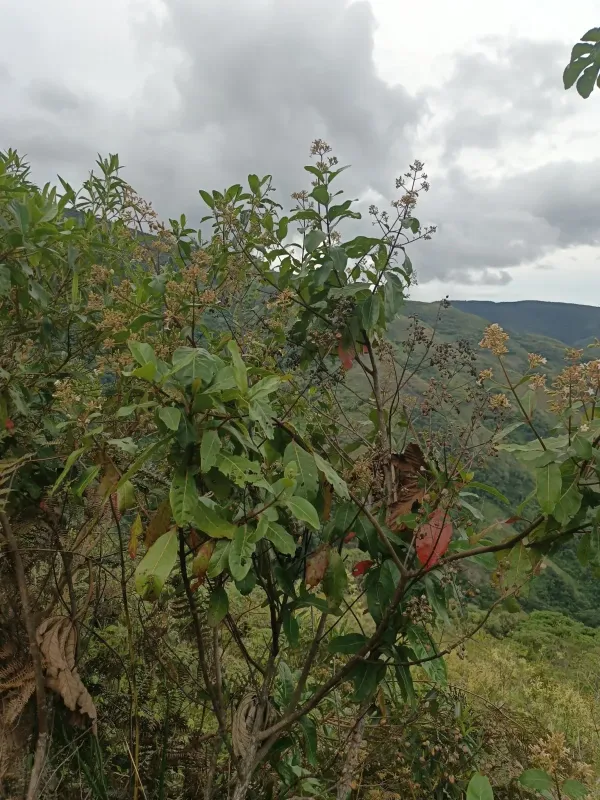
Description
Growing requirements
Cinchona calisaya is a perennial evergreen tree belonging to the Rubiaceae family, natively thriving in the high-altitude cloud forests of the Andes.
The plant demands a stable tropical climate with temperatures ranging from 15 to 25 degrees Celsius, as it is extremely sensitive to frost and extreme cold.
A consistent supply of atmospheric moisture and regular rainfall are essential for maintaining the tree's health and vigorous growth throughout the year.
Deep, fertile soils with a slightly acidic pH and excellent drainage are required to prevent root diseases and ensure proper nutrient uptake.
Ideal locations for cultivation are slopes that protect the plants from strong, desiccating winds, which can negatively impact leaf development.
Yield
The economic value of this crop lies in its bark, which serves as a major source of quinine and other pharmaceutical alkaloids used worldwide.
Harvesting usually commences when the trees are 7 to 10 years old, as this is when the concentration of medicinal compounds in the bark reaches its peak.
Yields are measured in tonnes of dry bark per hectare, which significantly depends on the selection of high-alkaloid genetic clones and planting density.
Sustainable plantation management requires a staggered planting schedule to ensure a constant supply of bark while allowing trees to reach maturity.
Optimized harvesting techniques focus on maximizing bark quality, ensuring that the final product meets the stringent purity requirements of the pharmaceutical industry.
Main diseases and pests
Fungal diseases, particularly those affecting the roots due to waterlogging, are the primary biological threat to Cinchona calisaya plantations.
Various defoliating insects and borers can compromise the tree's vitality, slowing down growth rates and delaying the harvest cycle significantly.
Integrated pest management strategies are crucial to control outbreaks without negatively affecting the secondary metabolites present in the bark.
Seedlings in nurseries require special attention to protect them from damping-off pathogens, often requiring sterile soil media and careful watering.
Early detection of infections and strict field hygiene are essential practices to minimize the risk of large-scale crop loss in the plantations.
Harvesting
Harvesting involves the careful removal of bark strips from the main trunk and primary branches, often following strict manual labor techniques.
The drying process is a critical stage that must be performed under controlled conditions to prevent the degradation of heat-sensitive medicinal compounds.
Once dried, the bark is graded by size and chemical content, ensuring that every batch provides the standardized potency required for industrial extraction.
Storage facilities must be dry and well-ventilated to protect the processed bark from moisture absorption, which could lead to spoilage or fungal contamination.
Efficient supply chain management ensures that the harvested product is promptly moved from the plantation to the extraction facility to maintain freshness.