
Common yellow jasmine
Chrysojasminum fruticans
Description
Growing requirements
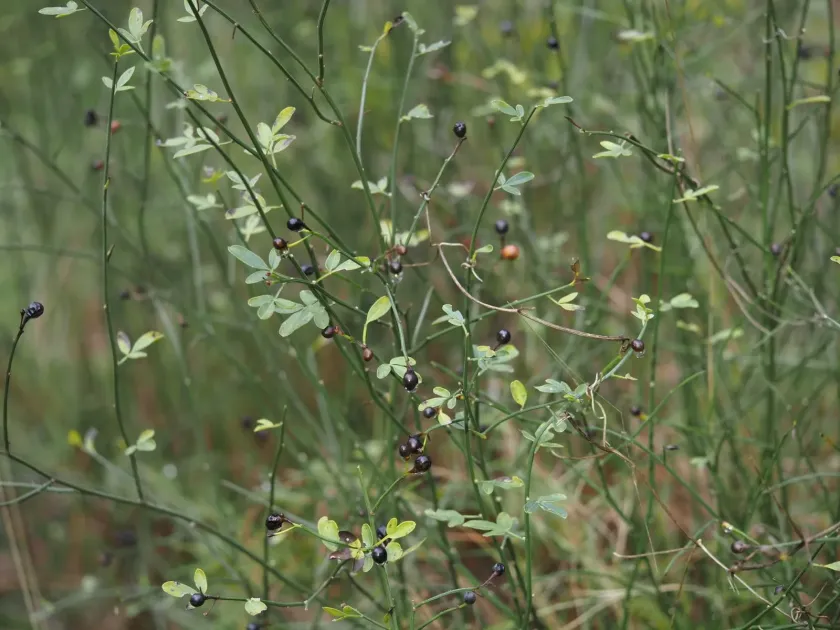
Common yellow jasmine (Chrysojasminum fruticans) is a woody shrub belonging to the Oleaceae family. Unlike other jasmines, this species is known for its upright growth and yellow, trumpet-shaped flowers that bloom from late spring to summer.
The plant originates from the Mediterranean basin and parts of Western Asia. It is highly adapted to rocky slopes and Mediterranean scrublands, making it a robust choice for xeriscaping and low-maintenance gardens.
It thrives in full sun but can tolerate partial shade. Regarding soil, it prefers well-drained, alkaline to neutral substrates. Heavy clay soils that retain moisture should be amended with organic matter or grit to improve drainage.
The shrub is moderately hardy. While it can withstand mild frosts, protection may be necessary during severe winters in temperate zones to prevent dieback of the tender young stems.
Agronomic practices focus on pruning to maintain shape and density. Annual pruning should be performed immediately after the flowering period to encourage new growth and maximize the following year's blooms.
Main diseases and pests
The most frequent pest issue is the spider mite, which thrives in dry conditions. Regular misting or the use of acaricides can help manage populations during particularly hot and dry weather cycles.
Scale insects can occasionally infest the branches, causing yellowing and weakening of the foliage. Manual removal or application of horticultural oils is effective for small-scale infestations.
Powdery mildew is a common fungal threat, characterized by a white powdery layer on the leaves. Providing adequate spacing between plants significantly reduces the risk by improving airflow.
Root rot occurs if the plant is subjected to waterlogged soil. Always ensure the planting site is elevated or has a proper drainage system to prevent prolonged water saturation around the roots.
General plant health can be maintained through balanced fertilization and vigilance. Inspecting the underside of leaves for early signs of aphids or mites is a recommended weekly task for the home gardener.