
Choisya dewitteana
Choisya x dewitteana Geerinck
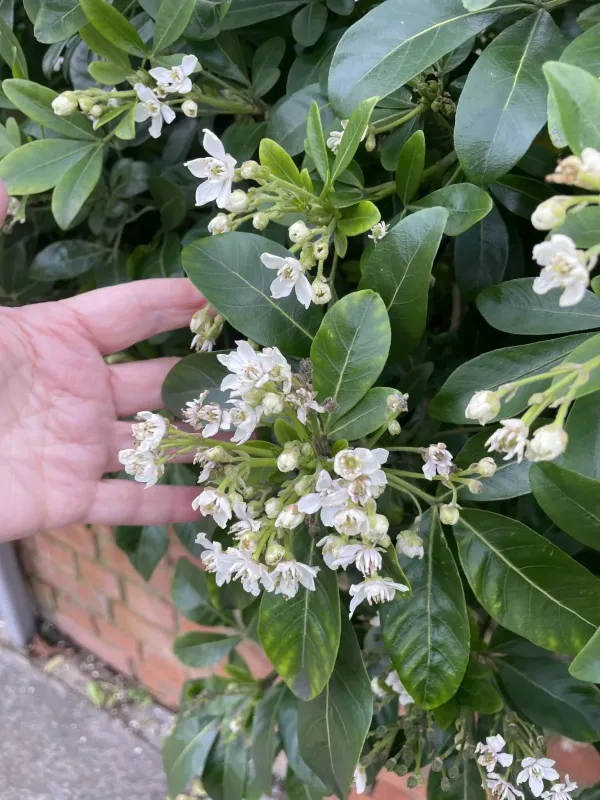
Description
Growing requirements
Choisya dewitteana is an ornamental hybrid shrub belonging to the Rutaceae family. It is highly valued in horticulture for its dense, glossy evergreen foliage and fragrant white flowers that bloom in late spring and occasionally in early autumn.
The plant requires a sheltered position with full sun or partial shade to reach its full potential. It thrives in moderate climates, requiring protection from harsh winter winds, which can desiccate the evergreen leaves and cause severe frost damage.
Soil requirements for this species are specific: it demands well-drained, fertile soil with a slightly acidic to neutral pH. Providing a high-quality drainage layer is essential to prevent root rot, which is the most common cause of failure in cultivation.
Agrotechnical maintenance includes regular watering during dry spells, especially for young plants. Fertilization with a balanced slow-release fertilizer in early spring helps to maintain vigorous growth and deep green foliage color throughout the season.
Pruning is an important aspect of cultivation; it is recommended to prune the shrub immediately after flowering to maintain a desired shape and encourage new growth for the next year. It serves as an excellent decorative element in borders and privacy screens.
Main diseases and pests
The most common health issues for Choisya dewitteana involve fungal diseases, particularly root rot, which occurs in poorly drained or waterlogged soils.
Insect pests such as scale insects and spider mites are frequent invaders, feeding on the undersides of the leaves and causing chlorosis or stunted development.
Effective management strategies involve regular monitoring and the use of insecticidal soaps or horticultural oils if early signs of infestation are noted.
Maintaining adequate spacing between plants is crucial to ensure proper air circulation, which significantly reduces the risk of fungal spot infections.
In cases of severe infestation or disease pressure, fungicides or systemic insecticides should be applied according to local agricultural guidelines to ensure effective recovery.