
Mexican orange blossom
Choisya ternata
Description
Growing requirements
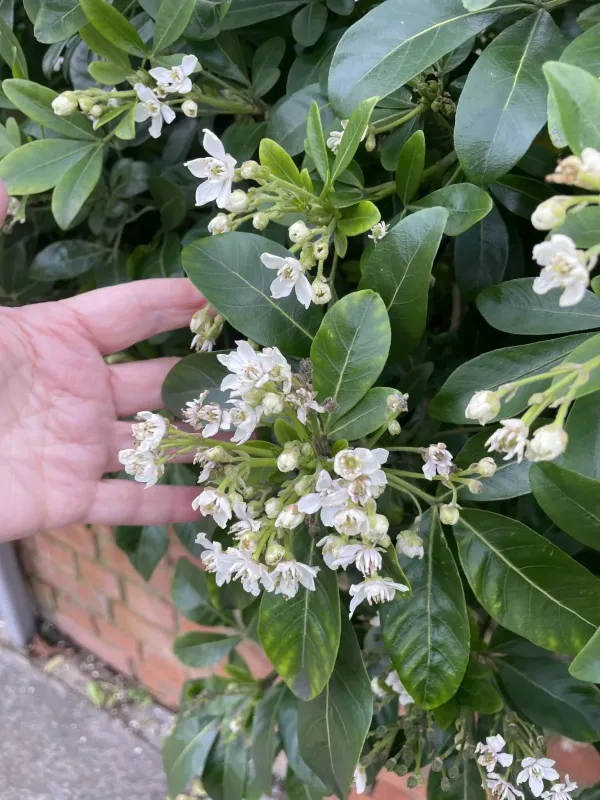
Choisya ternata, commonly known as Mexican orange blossom, is an evergreen shrub belonging to the Rutaceae family. Native to Mexico, this plant is valued for its glossy, aromatic leaves and fragrant white flowers that bloom in late spring and occasionally in autumn.
The crop thrives in sunny to partially shaded environments and requires shelter from cold, drying winds. While it is hardy in many temperate zones, it benefits from frost protection in colder regions, often being grown in containers to facilitate winter care indoors.
Optimal soil conditions include well-drained, fertile, and slightly acidic to neutral soil. Poor drainage is the primary enemy of this species, as it often leads to root rot if the soil becomes waterlogged for extended periods.
Agronomic management involves consistent watering during the growing season and the application of a balanced fertilizer in early spring. Minimal pruning is required, usually performed immediately after the flowering period to maintain shape and promote bushiness.
In landscaping, this plant is highly prized for its year-round foliage and high ornamental value. It is widely used in border planting, as a standalone specimen, or as a component of evergreen hedge screens in mild climates.
Main diseases and pests
Root rot caused by Phytophthora species is the most significant disease threat to Choisya ternata. This usually manifests in poorly drained soils where moisture levels remain constantly high, weakening the root system's health.
Pest pressures include scale insects and mealybugs, which are often found on the underside of leaves and along stems. These pests suck sap from the plant, potentially causing stunted growth and leaf drop if left untreated.
Effective management includes regular monitoring and the use of horticultural oils or systemic insecticides when outbreaks are detected. Maintaining plant vigor through proper nutrition is key to natural resistance.
Improving air circulation is essential to prevent fungal issues. Dense foliage should be thinned periodically to ensure that light and air reach the inner parts of the shrub, discouraging the growth of molds and pathogens.
Successful cultivation depends on careful site selection and moisture management. By avoiding overwatering and ensuring correct soil aeration, gardeners can mitigate most disease-related risks associated with this plant.