
Arizona Mexican orange
Choisya arizonica Standl.
Description
Growing requirements
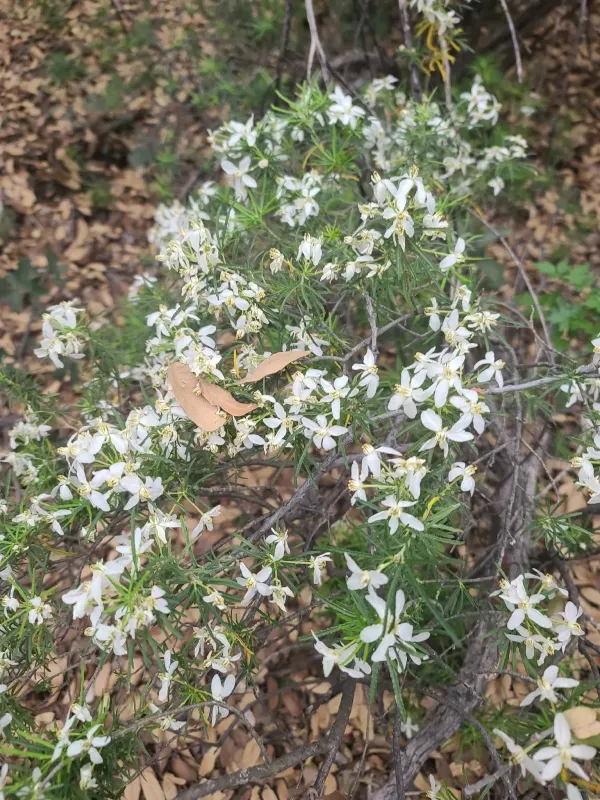
The Arizona Mexican orange (Choisya arizonica) is an elegant evergreen shrub belonging to the Rutaceae family. Native to the arid regions of Arizona and Northern Mexico, this plant is highly valued for its aromatic foliage and attractive flower clusters.
The plant thrives in well-drained, porous soils with a slightly acidic to neutral pH. Providing an effective drainage layer during planting is essential, as the species is highly susceptible to root damage caused by waterlogged soil conditions.
Optimal growth is achieved in locations that offer bright, indirect sunlight or partial shade. While it can tolerate full sun, protection from intense mid-afternoon heat is recommended to prevent leaf scorch and preserve the aesthetic quality of the foliage.
In terms of moisture, Choisya arizonica requires consistent irrigation during its first growing seasons to establish a robust root system. Once mature, it develops moderate drought tolerance, although supplemental watering during dry spells will improve its blooming performance.
Regarding climate, the plant prefers Mediterranean-like conditions with mild winters. It is not frost-hardy, which necessitates moving container-grown plants into a protected environment when temperatures drop below freezing to ensure its long-term survival.
Main diseases and pests
Scale insects and mealybugs are the most common pests encountered in the cultivation of Arizona Mexican orange. These insects cluster on the stems and leaf undersides, extracting sap and weakening the plant's structural integrity.
Spider mites can become a significant issue during periods of low humidity and high temperatures. Regular misting and the application of horticultural oils or specific acaricides are effective methods for controlling these infestations before they spread.
Fungal leaf spot diseases may occur if the foliage remains wet for extended periods or if air circulation around the shrub is poor. Pruning techniques that open up the center of the plant are vital for disease prevention.
Root rot, often caused by Phytophthora or Pythium species, is a lethal threat to the plant. This condition is almost always the result of overwatering or inadequate soil aeration, emphasizing the need for strict water management.
To maintain plant health, it is essential to monitor for early signs of nutrient deficiencies, which can sometimes be mistaken for disease. Providing a balanced fertilizer during the early spring supports the plant's natural defenses against common pests.