
Bamboo Palm
Chamaedorea seifrizii Burret
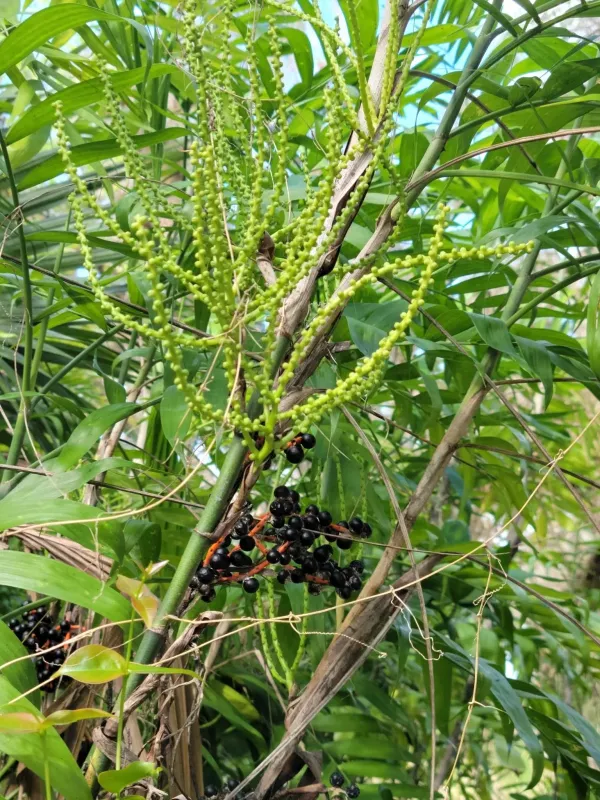
Description
Growing requirements
Chamaedorea seifrizii, commonly known as the Bamboo Palm, belongs to the Arecaceae family. This species originates from the tropical regions of Mexico and Central America, where it thrives in the understory of dense forests, adapted to low-light conditions.
The plant is characterized by its slender, bamboo-like stems and elegant, dark green feathery foliage. It typically grows in clusters, making it an excellent choice for indoor landscaping where a lush, vertical tropical appearance is desired.
When it comes to environmental requirements, this palm prefers bright, filtered sunlight. Exposure to harsh, direct sunlight will quickly scorch the delicate leaves, reducing the ornamental value of the plant significantly.
The soil should be a well-draining, peat-based mix that retains moisture without becoming waterlogged. Proper drainage is essential, as the roots are sensitive to water stagnation and can easily develop root rot in heavy, dense soils.
Agricultural management includes maintaining a humid environment, which is vital for the health of the fronds. Regular misting or the use of a humidifier is recommended, especially in climates where indoor heating creates excessively dry air during winter.
Main diseases and pests
The primary pests affecting the Bamboo Palm are spider mites and mealybugs. These thrive in dry, stagnant air conditions and can cause severe damage if not addressed quickly by mechanical cleaning or appropriate horticultural soap treatments.
Fungal issues, often manifested as leaf spots or stem rot, are usually linked to overwatering or poor circulation. Keeping the foliage clean and ensuring the potting medium is not kept constantly sodden are the best preventative measures for maintaining plant health.