
Cascade palm
Chamaedorea cataractarum Mart.
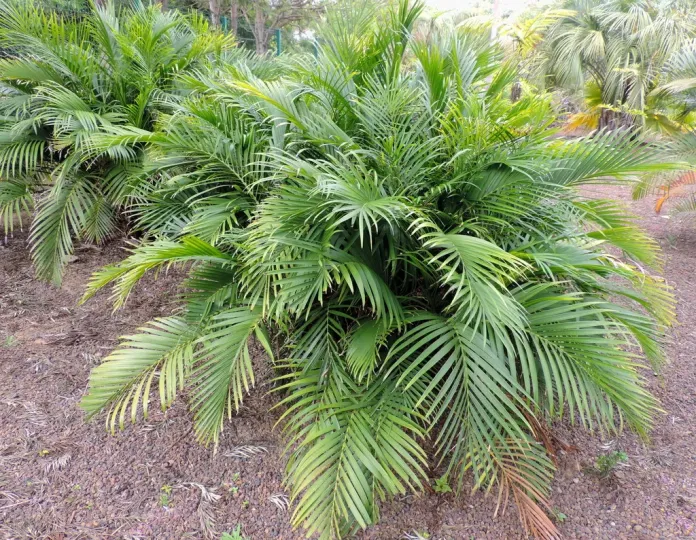
Description
Growing requirements
The Cascade Palm (Chamaedorea cataractarum) is a member of the Arecaceae family, originating from the humid rainforests and riverbanks of Mexico. It is a cluster-forming palm known for its lush, feathery foliage.
This species thrives in warm, tropical conditions with high humidity levels. It performs best in temperatures ranging from 18 to 26 degrees Celsius and should be protected from cold drafts and sudden temperature fluctuations.
Growing requirements include a well-draining, peat-based soil mixture. The substrate should be kept consistently moist but never waterlogged to prevent root decay, which is a common issue for this variety.
The plant prefers bright, indirect light. While it is more shade-tolerant than many other palms, adequate light is necessary to maintain its compact growth habit and vibrant green leaf coloration.
Regular fertilization with a balanced, palm-specific liquid fertilizer is recommended during the growing season. It is crucial to dilute the fertilizer to avoid salt build-up in the soil, which can scorch the roots.
Main diseases and pests
Spider mites are the most significant pest affecting the Cascade Palm, especially in environments with low air humidity. They thrive on the undersides of leaves, causing yellow stippling and webbing.
Mealybugs and scale insects may also pose a threat. These pests tend to congregate in the leaf axils and along the stems, weakening the plant by extracting essential sap.
Root rot caused by Phytophthora or Pythium fungi is a serious threat if the soil remains excessively wet. This condition usually leads to leaf yellowing, drooping, and eventually plant collapse.
Managing these threats requires a combination of cultural practices and chemical control. Regular leaf cleaning and maintaining optimal environmental conditions are the first lines of defense against infestations.
In case of severe outbreaks, systemic insecticides or horticultural oils may be used. Always ensure proper aeration and avoid overcrowding plants to reduce the spread of fungal pathogens.