
Parlour palm
Chamaedorea elegans Mart.
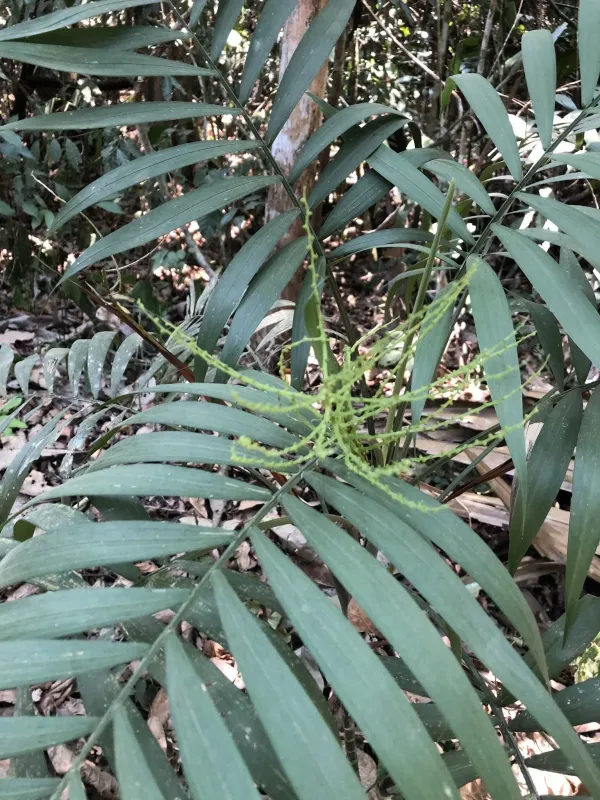
Description
Growing requirements
The Parlour palm (Chamaedorea elegans Mart.) is a graceful decorative plant belonging to the Arecaceae family. Originally native to the rainforests of Southern Mexico and Guatemala, this species is well-adapted to the understory conditions of tropical climates.
To ensure optimal growth, the plant requires bright, filtered light. Direct sunlight can easily scorch its delicate foliage, whereas low light levels are tolerated but may slow down the overall growth rate of the palm.
The ideal temperature range for this crop is between 18°C and 24°C. It is sensitive to sudden temperature fluctuations and drafty areas, which can cause significant stress to the plant and inhibit its metabolic processes.
Soil requirements involve a well-draining, peat-based medium that remains moist but never waterlogged. Incorporating perlite or coarse sand helps improve drainage, preventing the root system from suffocating in heavy, compacted soil.
In terms of economic value, this palm is globally recognized as one of the most popular indoor foliage plants. Its ability to tolerate lower light levels and its air-purifying properties make it a staple in commercial and residential interior design.
Main diseases and pests
Common diseases in this species are primarily linked to poor irrigation practices. Overwatering often leads to root rot, which is a lethal condition for palms if not addressed immediately.
Pest management is crucial for maintaining plant health. Dry indoor air often creates a favorable environment for common greenhouse pests that can rapidly infest the plant.
- Spider mites — cause yellow stippling on the leaflets.
- Scale insects — appear as small brown bumps on the foliage.
- Mealybugs — look like patches of white cottony substance.
Management strategies involve keeping the foliage clean with damp cloths and applying systemic insecticides if an infestation is confirmed by observation.
Proper environmental monitoring, such as keeping humidity levels stable and avoiding overcrowding of plants, is the most effective preventative measure against disease and pest outbreaks.