
Chaetomorpha melagonium
Chaetomorpha melagonium
Description
Growing requirements
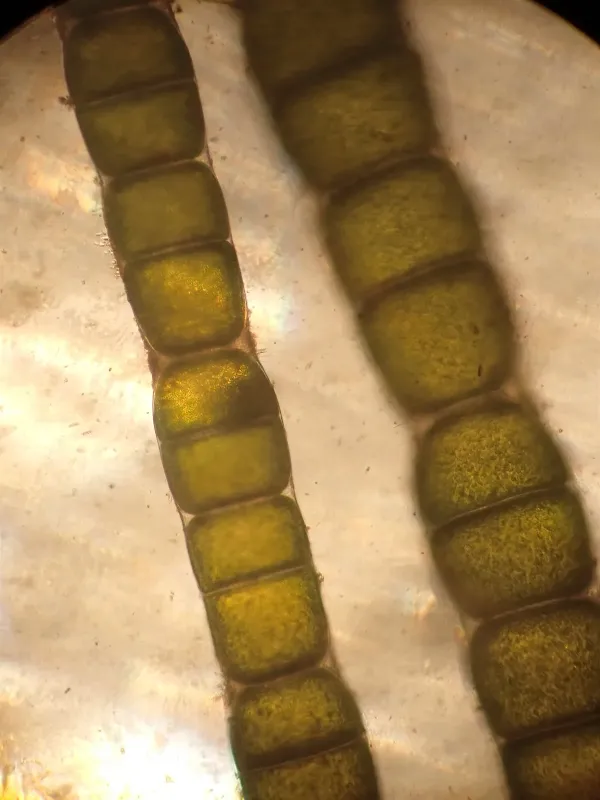
Chaetomorpha melagonium is a multicellular green macroalgae belonging to the Cladophoraceae family. This species features a filamentous thallus characterized by high structural strength and rigidity of the cell walls, which distinguishes it from other members of the genus.
In its natural habitat, this crop prefers the cold and temperate waters of the Northern Hemisphere. Its distribution covers the coastal zones of the Atlantic and Pacific Oceans, where the algae attaches to substrates using a robust basal disc.
For successful growth and development, Chaetomorpha requires high light intensity, moderate water flow, and a stable chemical environment. The optimal temperature range for this crop is between 5 and 15 degrees Celsius, making it a typical representative of cryophilic macrophytes.
In controlled aquaculture, maintaining a balance of nutrients, specifically nitrates and phosphates, is critical. The algae is capable of intense absorption of biogenic elements, which requires constant monitoring to prevent nutrient deficiencies.
Agricultural techniques include the use of specialized mesh substrates or flow-through systems. Ensuring proper aeration is a mandatory requirement to prevent thallus silting and the development of pathogenic microflora on the surface of the filaments.
Yield
The productivity of the crop depends directly on the intensity of photosynthesis and the availability of mineral nutrition. Under controlled conditions, biomass growth rates can reach significant levels, making this species promising for industrial-scale cultivation.
The commercial use of Chaetomorpha includes its application as a biofilter in marine aquarium systems. It effectively removes excess nutrients, helping to maintain biological equilibrium in closed aquatic loops.
The biotechnological potential of the algae is being explored for the extraction of polysaccharides and other bioactive compounds. Research into cell wall composition offers prospects for applications in the food and cosmetic industries.
In industrial cultivation, harvesting is performed mechanically every 2–4 weeks. This practice keeps the culture in an active vegetative growth stage and prevents necrosis of older parts of the thallus.
Commercial output is measured by "wet" biomass weight. The efficiency of a cultivation system is determined by the conversion rate of nutrient salts into plant dry mass, which is considered among the highest for this species compared to other green algae.
Main diseases and pests
The main threat to the culture is the presence of epiphytic microalgae that develop on the surface of the Chaetomorpha filaments. They compete for light and mineral nutrients, significantly slowing down the growth rates of the primary crop.
If water flow is disrupted, the algae can suffer from bacterial infections that cause discoloration and disintegration of the thallus. Additionally, protozoa and small crustaceans pose a threat by damaging the structural integrity of the cell filaments.
- Infection by parasitic fungi due to poor water circulation or humidity.
- Excessive growth of cyanobacteria as competitors for resources.
- Degradation due to sharp fluctuations in water salinity levels.
- Risk of damage by mollusks in open aquatic systems.