
Chaetomorpha linum
Chaetomorpha linum
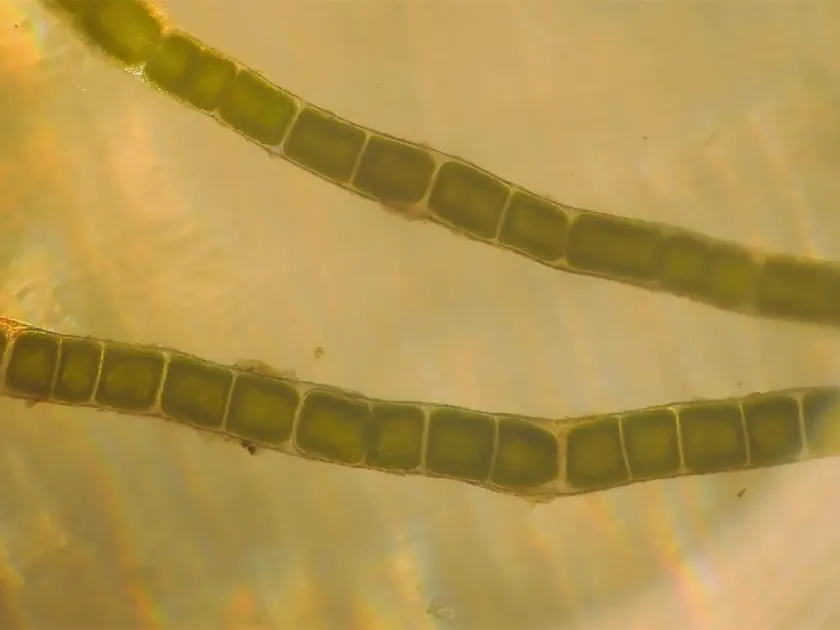
Description
Sowing dates
Chaetomorpha linum is not a seed-propagated crop; therefore, the agricultural process begins with the introduction of vegetative thallus fragments as "seed" material. In mariculture or recirculating aquaculture systems (RAS), sowing is achieved by distributing the biomass across the water surface or within specialized mesh containers.
Optimal timing for cultivation depends on the temperature settings of the facility; however, in controlled environments, the multiplication process can be carried out year-round. The primary factors for a successful start include high light intensity and sufficient concentrations of dissolved nutrients at the time of inoculation.
To ensure rapid growth, an initial stocking density must be maintained, allowing the biomass to effectively utilize the volume of the reactor or tank. On average, to achieve high productivity, the starting biomass volume should occupy at least 10–15% of the reservoir's working space.
A crucial aspect is the regular adaptation of the planting material to environmental parameters, especially if the fragments were sourced from different climatic or hydrochemical conditions. It is recommended to perform a gradual stabilization of salinity and temperature before adding the culture to the main production volume.
Vegetative reproduction of Chaetomorpha occurs through filament fragmentation, allowing the crop to build biomass quickly without the need for a sexual cycle. This makes it highly efficient for cyclic cultivation at industrial scales.
Growing requirements
Chaetomorpha linum belongs to the Cladophoraceae family and is a filamentous green algae species found in various marine and brackish ecosystems worldwide. It prefers shallow areas with moderate to intense water movement, which ensures a constant supply of essential nutrients.
Successful growth requires high light intensity, as photosynthesis is the main driver of organic synthesis. The optimal light spectrum should match the requirements of green algae, ensuring active cell division and biomass accumulation.
The temperature optimum for the species ranges from 18 to 26 degrees Celsius, though the plant shows high tolerance to short-term temperature fluctuations. Salinity is a critical parameter and should be maintained at marine levels (30–35 ppt) for consistent growth.
Chaetomorpha is highly demanding regarding nitrate and phosphate levels in the water, consuming these as its primary nutrient source. In agricultural settings, constant water circulation is necessary to eliminate "dead zones" where the algae might die due to a lack of nutrient exchange.
No soil substrate is required as this species is free-floating. Its life strategy is based on forming loose, tangled mats that drift within the water column, absorbing everything necessary directly from the salts and mineral elements dissolved in the water.
Yield
The yield of Chaetomorpha linum is measured by the increase in fresh or dry biomass per unit of time within a specific cultivator volume. In intensive systems, while adhering to all agronomic parameters, weekly biomass increases can reach 20–40% of the initial volume.
Maximum product output directly correlates with the availability of nitrogen and phosphorus in the system. In integrated multi-trophic aquaculture (IMTA), where the algae act as a biofilter, yields can remain consistently high due to the constant input of waste from fish or invertebrate stock.
A limiting factor for harvesting is self-shading: when critical biomass density is reached, the inner layers of the mat stop receiving sufficient light. This leads to a decline in growth rates, making regular thinning of the culture an essential maintenance task.
Productivity also depends on CO2 delivery rates and water flow velocity. Turbulence prevents mat clumping and ensures uniform nutrient access for every part of the colony, which is crucial for preventing necrosis in the inner sections of the mat.
Effective harvesting is achieved by partial biomass extraction, which allows the culture to recover rapidly and continue growing. By utilizing proper cycle rotation, it is possible to achieve continuous production throughout the entire growing season.
Main diseases and pests
The primary threat to Chaetomorpha is the development of epiphytic algae and diatom overgrowths, which compete for light and nutrients. Intense coverage of the thallus surface by foreign microorganisms significantly slows growth and reduces the overall quality of the harvested biomass.
Improper gas regimes, particularly dissolved oxygen deficits, can lead to localized die-offs. When metabolites accumulate in stagnant water, filament bleaching (turning yellow or white) occurs, indicating chlorophyll breakdown and cell death.
In open or semi-open cultivation settings, serious damage can be caused by herbivorous organisms such as small crustaceans, snails, or specific fish species. In industrial systems, filtration screens must be employed to protect the crop from unwanted hydrobionts.
Sudden shifts in water pH can cause stress and disrupt metabolic processes. Chaetomorpha's high sensitivity to chemical pollutants, including excess heavy metals or pesticides, necessitates strict water quality monitoring for all incoming water supplies.
Fungal infections and bacterial rot can occur during excessive biomass compaction and poor water circulation. To prevent such conditions, it is recommended to maintain a dynamic water flow and promptly remove decaying sections that could become hotspots for pathogen development.
Harvesting
Harvesting Chaetomorpha linum is performed mechanically using dip nets or specialized screens to remove biomass fragments. In industrial tanks, periodic excess removal is practiced using automated conveyors or sluice systems.
The optimal time for harvest is reached when the density begins to restrict growth due to a lack of light within the mat. It is vital to leave a significant portion of the mother stock to ensure a high regeneration rate in the following cycle.
Once harvested, the biomass undergoes primary cleaning to remove impurities such as feed residues, soil particles, or unwanted organisms. For further storage or processing, the product is often rinsed in clean, flowing marine water at the appropriate salinity.
Depending on the intended use, Chaetomorpha can be sold as live biomass for the aquarium trade or dried for use as fertilizer or a feed supplement. Drying is performed at moderate temperatures to preserve nutrient content and the physical structure of the thallus.
Packaging and transport of fresh produce must occur under high humidity and controlled temperatures. This prevents drying and loss of quality, ensuring a long shelf life for the live product until it reaches the consumer.