
Chaetomorpha ligustica
Chaetomorpha ligustica
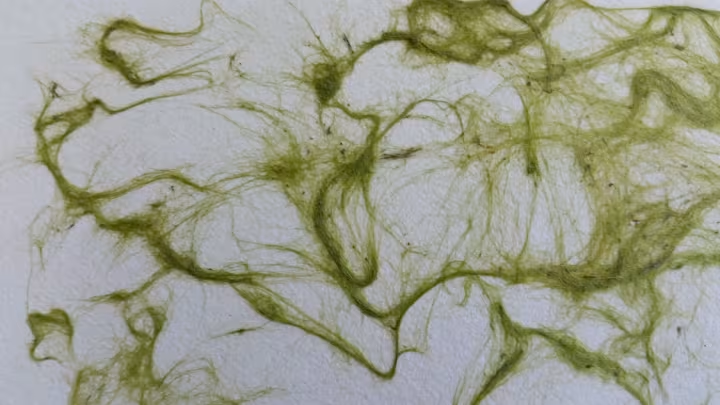
Description
Growing requirements
Chaetomorpha ligustica is a filamentous green algae belonging to the Cladophoraceae family. It is characterized by its stiff, hair-like filaments that form tangled, buoyant mats, which are highly prized for their structural integrity and rapid growth rates.
Cultivation requires stable marine conditions, specifically salinity levels maintained between 30 and 35 ppt. Temperature stability is equally important, with the preferred range being 22–26 degrees Celsius to maximize cellular metabolic processes.
Lighting requirements are significant; this species thrives under moderate to high-intensity full-spectrum light. Proper photoperiod management is essential for preventing yellowing of the filaments and promoting a healthy, vibrant green coloration.
Agricultural techniques for this macroalgae include maintaining a consistent laminar or turbulent water flow. This ensures that the water column effectively delivers nutrients and oxygen to all parts of the filamentous mass, preventing anaerobic pockets.
In terms of substrate, while Chaetomorpha is generally free-floating, it requires enough space to tumble or expand. Overcrowding in closed systems leads to decreased light penetration and, subsequently, a decline in the overall growth rate.
Harvesting
Harvesting is performed through simple physical removal of biomass. Regular thinning is the most important maintenance practice, as it prevents the mat from becoming too dense, which would otherwise inhibit nutrient absorption and internal growth.
The primary economic application of this species is in marine aquarium systems, where it acts as a biofilter. It is highly efficient at stripping nitrates and phosphates from the water, improving the overall chemical balance of the environment.
In aquaculture, the harvested biomass is used as a natural food supplement. Many herbivorous marine species readily consume Chaetomorpha, benefiting from its high fiber content and the essential nutrients it accumulates from the water.
The potential for bioremediation is another major area of interest. Researchers utilize this species to extract excess nitrogenous waste from aquaculture discharge waters, making it an eco-friendly tool for water treatment.
Post-harvest management involves keeping the algae in a well-oxygenated environment with access to light if it is intended for live sale or redistribution. It is highly resilient and can withstand transport in humid, temperature-controlled conditions.