
Chaenomeles cathayensis
Chaenomeles cathayensis
Description
Growing requirements
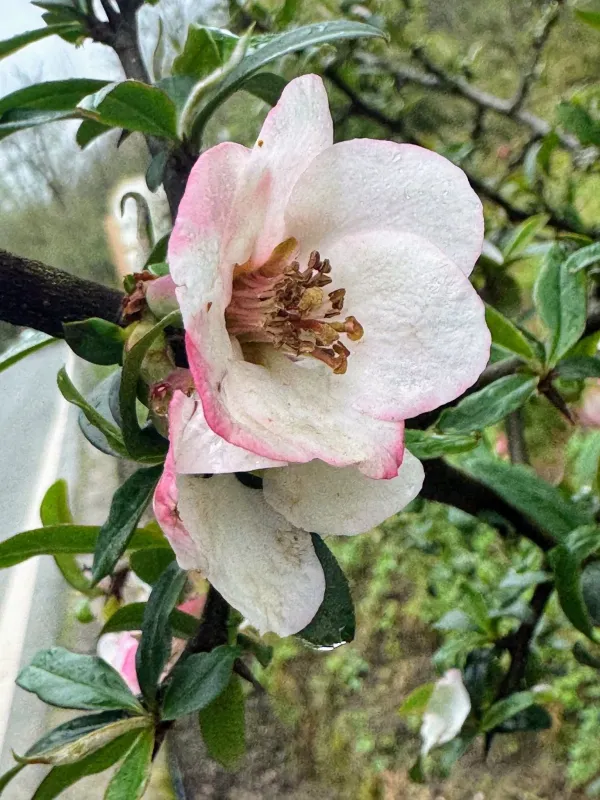
Chaenomeles cathayensis, also known as the Chinese flowering quince, is a deciduous shrub in the Rosaceae family. It is widely recognized for its stunning springtime blossoms and large, fragrant, pomaceous fruits.
The plant thrives in well-drained, fertile soil with a neutral to slightly acidic pH. It requires a sunny location to maximize its flowering potential and ensure that the fruits ripen correctly before the onset of cold weather.
Water management is critical during the initial growth stages. While established plants are somewhat drought-tolerant, consistent soil moisture throughout the growing season will significantly improve fruit size and tree health.
Pruning is essential for maintaining a productive structure. By removing older, non-productive wood and keeping the center of the shrub open, you ensure adequate sunlight penetration and air circulation throughout the canopy.
The shrub is hardy but benefits from shelter in extremely cold climates. Mulching the root zone in late autumn helps regulate soil temperature and protects the shallow root system during freezing winter months.
Main diseases and pests
Fungal diseases are the primary concern for this crop, with Monilinia (brown rot) being the most common. Regular inspections and removing infected fruits or shoots are vital to preventing the spread of these pathogens.
Powdery mildew can affect the foliage during humid conditions. Maintaining proper spacing between plants and avoiding overhead irrigation can help reduce the risk of this disease by keeping the leaves dry.
Aphids and scale insects are the most frequent pests. These sap-sucking insects can weaken the plant and facilitate the growth of sooty mold on the leaves, which hinders photosynthesis and overall plant growth.
Early intervention using horticultural oils or insecticidal soaps can often control pest outbreaks. For more severe infestations, targeted pesticides may be necessary, provided they are applied during the correct growth stage.
Long-term plant health is best achieved through a balanced fertilization program and meticulous garden sanitation. Keeping the base of the shrub free from debris significantly reduces the overwintering sites for many pests.
Harvesting
The harvest season for Chaenomeles cathayensis typically begins in mid-to-late autumn. Fruits should be picked once they reach their full, characteristic yellow color and become highly aromatic.
Harvesting should be handled carefully to avoid bruising the firm fruits. Even though they are hardy, mechanical damage during the harvest can shorten their shelf life and increase the risk of rot during storage.
After picking, fruits are often left to cure in a cool, ventilated area. This process enhances their flavor and aroma, making them ideal for various culinary preparations such as jellies, syrups, and infusions.
Commercially, these fruits are valued for their high pectin content and strong acidic profile, which are highly beneficial for the food processing industry, particularly in the production of high-quality preserves.
Strategic harvesting helps maximize the yield efficiency. By timing the harvest correctly and ensuring proper storage, growers can maintain high-quality standards for their produce throughout the off-season.