
Ceropegia fusiformis
Ceropegia fusiformis
Description
Growing requirements
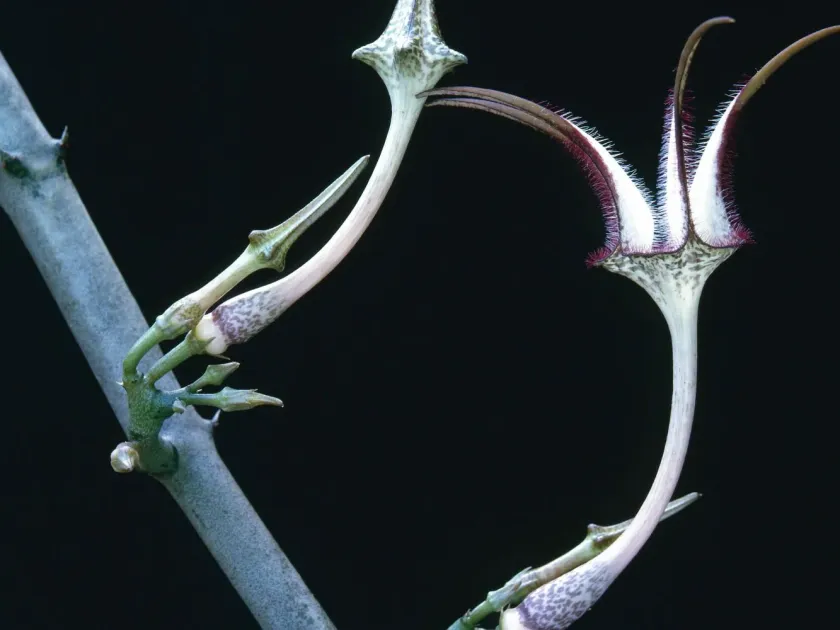
Ceropegia fusiformis is a distinct succulent species belonging to the Apocynaceae family. It is characterized by its unique spindle-shaped tuberous roots, which function as vital organs for water storage in harsh environments.
Originating from the arid regions of tropical Africa, this plant has evolved to survive in nutrient-poor and rocky substrates. In a cultivated setting, it requires a well-draining soil mix consisting of pumice, perlite, and a small portion of organic potting soil.
The plant thrives under bright, filtered light. While it is adapted to strong sun, direct exposure during the hottest hours of the day can cause severe tissue damage, requiring the use of protective shading in greenhouse conditions.
Irrigation practices must be calibrated to the growth cycle. During the active growing season, the substrate should be allowed to dry out completely between waterings to prevent the development of root-related physiological disorders.
Climate control is crucial, with ideal temperatures ranging between 20°C and 25°C during the day. During the dormancy phase, temperatures should be kept slightly cooler, but must remain well above freezing to protect the tuberous structures.
Main diseases and pests
Fungal root rot remains the primary threat to Ceropegia fusiformis. It is frequently triggered by stagnant water in the substrate and inadequate air circulation around the root zone.
Mealybugs are a common pest issue for this species. They tend to cluster in the axils of leaves or at the base of the stems, extracting sap and weakening the plant's overall vitality.
In low humidity environments, spider mites can colonize the plant, leading to stunted growth and mottled discoloration of the stems, which reduces the plant's decorative value.
Management of these threats involves the strategic use of contact and systemic pesticides, alongside consistent monitoring of the plant's physiological condition.
Preventative cultural practices, such as maintaining cleanliness in the growing area and ensuring adequate light, significantly increase the plant's resistance to infestations and diseases.