
Ceratocapnos turbinata
Ceratocapnos turbinata
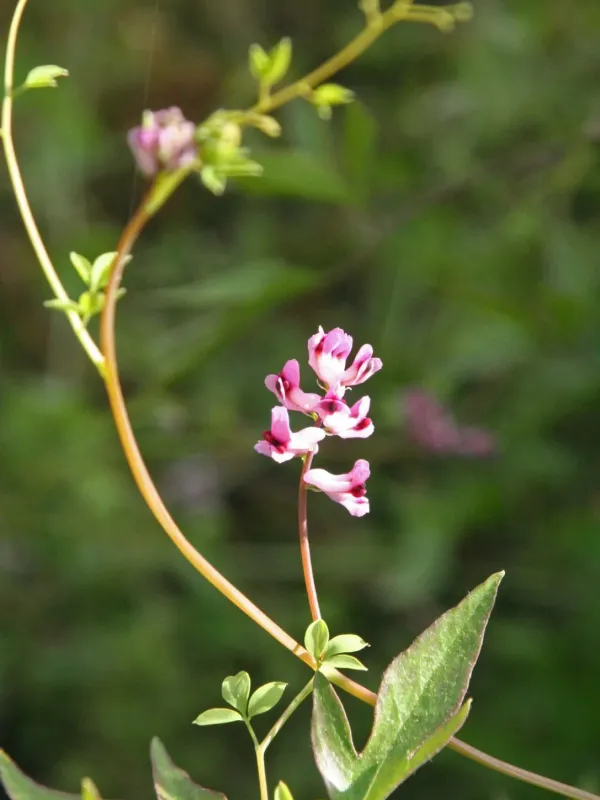
Description
Sowing dates
Ceratocapnos turbinata is a distinctive plant species belonging to the Fumariaceae family. Proper propagation of this culture requires understanding its biological cycle, which often includes a period of stratification to break seed dormancy and ensure uniform germination.
The optimal sowing time in temperate climates is during early spring. Seeds should be placed in well-drained, nutrient-rich soil, and since they are small, they should be lightly covered with substrate to allow light to penetrate, which is crucial for early development.
In cultivation settings, it is recommended to maintain a consistent moisture level in the substrate without reaching waterlogging conditions. Utilizing light, peat-based or sandy-loam mixes with a neutral pH will provide the best environment for root establishment.
The spacing between plants must be sufficient to allow for adequate airflow, as this species tends to develop a lush, trailing habit. Proper spacing prevents the microclimate around the foliage from becoming too humid, thus reducing the risk of fungal proliferation.
Modern agricultural practices suggest that the application of organic amendments can boost early seedling vigor. While the plant is generally hardy, giving it a strong start during the emergence phase will positively influence the overall yield and health of the crop.
Growing requirements
This species thrives in areas with partial shade or filtered light. Exposure to intense, direct afternoon sun can lead to scorching of the delicate leaves and overall plant stress, so choosing a site with protection during peak sun hours is essential.
Soil quality is a critical factor for successful growth. The plant prefers high-humus, well-draining soils that prevent water stagnation. If the soil is heavy or prone to compaction, incorporating sand or fine gravel will improve aeration and drainage significantly.
Consistent, moderate watering is necessary throughout the growing season. The plant exhibits higher moisture requirements during its active development phase but should be allowed to dry slightly between waterings to maintain healthy roots and prevent decay.
Moderate fertilizing with balanced macronutrients can enhance vegetative growth, though excessive nitrogen should be avoided as it may weaken the plant's structural integrity and make it more susceptible to environmental stress and pathogens.
Temperature management is key to long-term success. The plant is relatively sensitive to extreme frost, so winter preparation, such as applying a protective layer of mulch, is recommended for regions with harsh winter conditions to ensure the plant returns the following spring.
Main diseases and pests
Fungal diseases are the primary threat, often manifesting as root rots or powdery mildew, especially when environmental humidity is high and airflow is restricted. Preventive care focuses on maintaining good sanitation and proper spacing to facilitate air circulation.
Pests such as aphids and spider mites frequently target the succulent foliage. Monitoring for these insects is vital, especially during drier spells. Biological control or early intervention with appropriate pesticides can help manage infestations before they impact plant vitality.
Gastropods, including slugs and snails, can cause considerable damage to young seedlings and tender leaves. Implementing physical barriers or organic deterrents can protect the plants effectively during their most vulnerable growth stages.
Integrated Pest Management (IPM) practices are highly encouraged, emphasizing the removal of plant debris and weed control to reduce habitats where pests and pathogens thrive. Rotating crops in the field also prevents the buildup of soil-borne diseases.
Regular inspection of the plant's health, particularly checking the underside of leaves for signs of insects or discoloration, allows for early detection and mitigation of potential threats, ensuring the survival and productivity of the crop.