
Climbing corydalis
Ceratocapnos claviculata
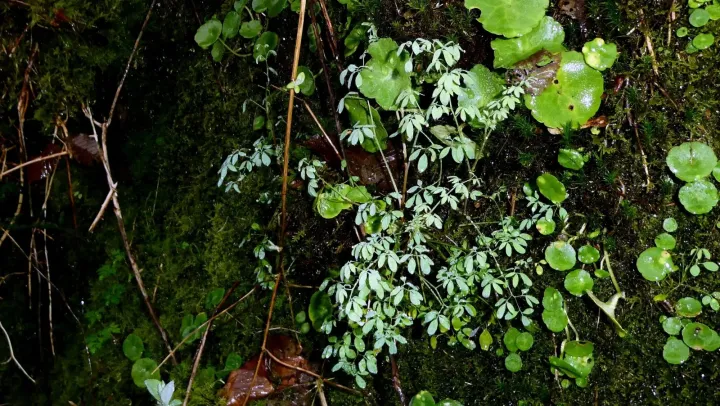
Description
Sowing dates
Climbing corydalis, scientifically known as Ceratocapnos claviculata, is a member of the Papaveraceae family. This delicate plant typically behaves as an annual or short-lived perennial, requiring specific conditions for successful seed germination.
Seeds are best sown in autumn, directly into the soil. This exposes them to the natural winter cold, which is essential to break dormancy and ensure vigorous growth in the following spring season.
When sowing in spring, artificial stratification is required. Seeds should be kept in a cold environment at temperatures between 2 and 5°C for several weeks before being sown onto the surface of a light, moist substrate.
Proper spacing is important for the health of the climbing stems. Seeds should be placed at intervals of 20 to 30 centimeters to ensure adequate ventilation and prevent the overcrowding of the fast-growing vines.
Once established, the plants grow rapidly, using their tendrils to climb nearby supports. Providing a trellis or wire mesh early in the season encourages healthy development and improves the overall aesthetic of the plant.
Growing requirements
Climbing corydalis thrives in cool, moist environments and prefers partial shade. It is not well-adapted to hot, sunny locations, where its foliage can quickly wither and the plant's lifecycle may be prematurely shortened.
The soil should be rich in organic matter, loose, and well-drained. This species is sensitive to waterlogged conditions, so ensuring excellent drainage is vital to prevent root-related issues during rainy periods.
Regular watering is necessary to keep the soil consistently damp but not saturated. Mulching around the base of the plant can help retain moisture and keep the roots cool during warmer days.
Vertical support is a fundamental requirement for this plant. Its leaves have modified, coiled tips that act as tendrils, allowing it to climb effectively. Without proper support, it will sprawl across the ground.
The plant performs best in sheltered areas protected from strong winds. A site with dappled sunlight is ideal, as it mimics the natural woodland or hedge-side habitats where this species is typically found.
Main diseases and pests
Root rot is the most common threat to climbing corydalis, particularly in poorly drained or overly damp soils. Improving air circulation around the base of the plant is a critical preventive measure.
Aphids are the primary pests that tend to colonize the tender young growth at the tips of the vines. Regular inspection and early intervention with mild soaps or biological controls can prevent significant damage.
Slugs and snails are particularly attracted to the succulent-like leaves of young plants. Setting up physical barriers or using pet-safe snail bait is often necessary to protect seedlings during the early stages of growth.
Powdery mildew may appear on the foliage if the plant is grown in areas with poor airflow and high humidity. Maintaining proper plant spacing helps to mitigate the risk of fungal infections throughout the growing season.
Weakened plants, often resulting from exposure to excessive heat or direct sunlight, are significantly more susceptible to environmental stress and opportunistic pest infestations than those grown in optimal conditions.