
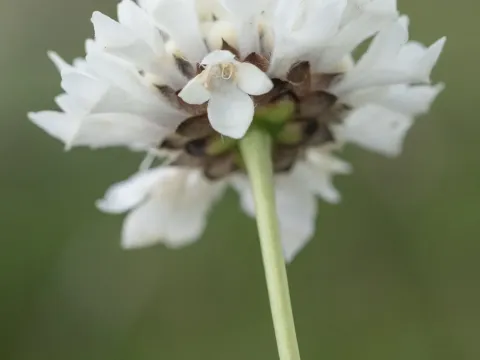
Cephalaria
Cephalaria
Cephalaria seeds are sown directly into open ground in April or May, once the soil has warmed up sufficiently. For early seedlings, sowing is performed in greenhouses in March, maintaining a temperature of approximately 18-20 degrees Celsius.
What the section contains


Cephalaria
The seeds should be covered with no more than 1-2 centimeters of soil, as light is required for successful germination. Seedlings typically emerge two to three weeks after sowing, provided there is adequate soil moisture.
When propagating vegetatively, the division of the bush is carried out in early spring or autumn after the flowering period ends. This method helps preserve varietal characteristics and speeds up the production of mature plants.
The distance between plants when planting in a permanent location should be at least 50-60 centimeters. This density ensures optimal ventilation and sun exposure for the stems.
The crop is characterized by high growth energy, so when planting in large quantities, it is essential to maintain proper spacing between rows to avoid shading and competition for nutrients.
Cephalaria belongs to the Caprifoliaceae family and is a perennial herbaceous plant with a powerful root system. In the wild, it is native to Europe, Asia, and the Mediterranean region.
Successful cultivation requires well-lit areas with fertile, loose soil. The plant reacts extremely negatively to waterlogging, so well-drained loams with a neutral pH level are preferred.
The crop is highly drought-tolerant and winter-hardy, allowing it to be grown successfully in temperate climates. In particularly harsh winters, young plants may require light protection.
Regular soil cultivation and weed control during the initial growth phase are crucial. Applying mineral fertilizers in early spring significantly enhances the plant's decorative appeal and overall productivity.
Watering is only necessary during periods of extreme drought, as the developed taproot can access moisture from deeper soil layers. Excessive moisture often leads to root rot in the crown area.
The economic use of Cephalaria is primarily focused on ornamental gardening, where it is valued for its long flowering period and resistance to adverse conditions. Certain species are known as valuable honey plants.
Cut Cephalaria flowers maintain their freshness in a vase for up to 10-14 days, making them popular in the floral industry. Harvesting is best conducted during the active bloom stage, once most buds have gained color.
In phytocenology, the plant is regarded as a key component for creating naturalistic landscapes. Its high biomass allows certain species to serve as a foundation for ecological gardens.
Seed yield depends heavily on weather conditions during the flowering period and the activity of pollinators. Harvesting should be performed when the seed capsules turn dark to avoid unwanted self-seeding.
Perennial Cephalaria plantings can remain in the same spot for 5-7 years without losing flowering quality. After this period, rejuvenation of the bushes via division or complete site replanting is recommended.
The main threat to the crop includes fungal diseases that develop under high humidity and poor air circulation. Powdery mildew is the most frequent problem in overly dense plantings.
To combat fungal infections, preventive fungicide treatments should be applied at the beginning of the growing season. Maintaining spatial isolation between plants is important for reducing infection risks.
Pests such as aphids and spider mites can infest young shoots and leaves. If the first signs of insect presence are detected, it is necessary to use insecticides or mild soap solutions.
Root rot can result from improper watering routines or heavy, non-porous soils. Prevention focuses on improving soil aeration and ensuring high-quality drainage systems.
Timely removal of damaged parts of the plant helps prevent the spread of infections and pests to healthy specimens within the planting site.