
Cephalaria joppensis
Cephalaria joppensis (Rchb.) Coult.
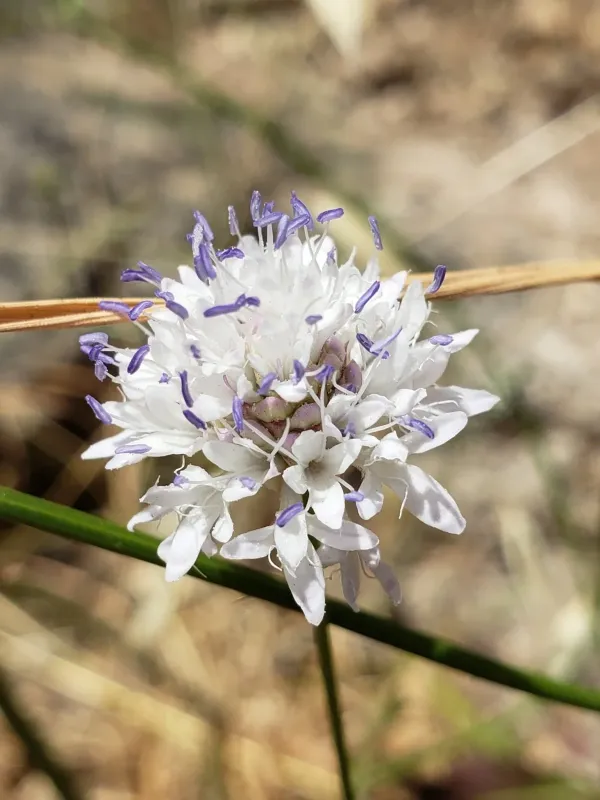
Description
Sowing dates
Cephalaria joppensis is typically sown in early spring, once the soil has warmed sufficiently to support germination and initial root development.
Seed stratification is often recommended to improve germination rates, which can be achieved through late autumn sowing in the open field.
If started indoors or in greenhouses, sowing should occur in late winter to ensure robust seedlings are ready for spring transplanting.
Seeds should be covered with a light layer of soil, approximately 1 to 2 centimeters deep, to ensure they remain moist while being exposed to adequate warmth.
Spacing should be managed to provide enough airflow, with row intervals of 40–50 centimeters being standard for commercial cultivation plots.
Growing requirements
This species belongs to the Caprifoliaceae family and is well-adapted to the Mediterranean climate, preferring locations with high solar exposure.
It thrives in well-drained, lime-rich, or neutral soils, showing a clear preference for substrates that do not retain excessive standing water.
While the plant is highly drought-tolerant once established, supplemental irrigation during the peak flowering phase enhances nectar production.
Proper aeration of the soil is crucial for the health of the root system, preventing the development of fungal infections in heavy, damp soils.
It can tolerate a range of temperature fluctuations typical of its native range, making it a resilient choice for various climatic zones.
Yield
The primary agricultural use of Cephalaria joppensis is its value as a significant melliferous plant, attracting diverse pollinator species.
Honey yield potential is directly influenced by environmental conditions, particularly the availability of sunlight and water during the flowering stage.
In ornamental horticulture, the plant is valued for its structured habit and long-lasting inflorescences, contributing to its commercial appeal.
High seed-setting capabilities ensure the plant can self-sustain in favorable conditions, simplifying the task of maintaining a large population.
The plant also shows promise in ecological restoration projects, specifically for soil stabilization in areas prone to light erosion.
Main diseases and pests
Common agricultural pests affecting this species include leaf-feeding insects, which may cause significant damage during the early vegetative phase.
Powdery mildew represents a primary risk, particularly in conditions of high humidity or insufficient air circulation around the plants.
Root rot is a major threat occurring when the soil remains waterlogged for extended periods, making site selection a critical prophylactic measure.
Integrated pest management, including regular weeding and maintaining appropriate plant density, is essential to mitigate the impact of disease outbreaks.
Applying biological control agents during early stages of infestation helps maintain crop purity and supports long-term ecological balance.
Harvesting
The harvest of seeds should be timed with the complete physiological maturity of the inflorescences, characterized by a distinct darkening of the heads.
Cut inflorescences should be dried in a sheltered, well-ventilated area to prevent seed loss from shattering while ensuring thorough moisture removal.
Manual or mechanical threshing should be performed carefully to avoid mechanical damage to the seeds, followed by effective winnowing or cleaning.
Seed moisture content must be reduced to below 12 percent before storage to ensure long-term viability and prevent mold growth in containers.
Storage in cool, dry conditions using breathable packaging materials is recommended to maximize the shelf life of the collected seed stock.