
Centranthera tranquebarica
Centranthera tranquebarica
Description
Growing requirements
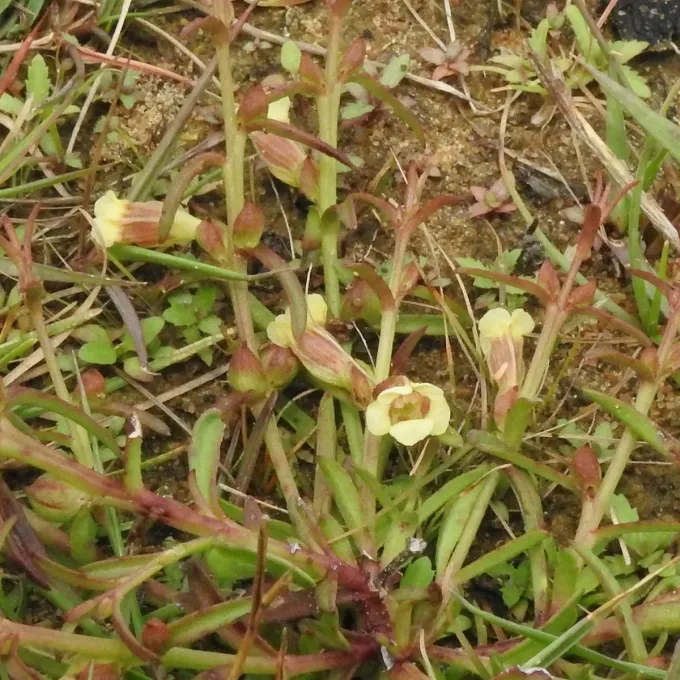
Centranthera tranquebarica is a notable species within the Orobanchaceae family, recognized for its hemiparasitic habit. Unlike holoparasites, it possesses chlorophyll and can perform photosynthesis, yet it relies on the roots of host plants to supplement its water and nutrient uptake, particularly in competitive environments.
The native distribution of this plant is centered in South Asia, particularly in India. It is frequently associated with aquatic or semi-aquatic environments, often being found in the vicinity of rice paddies and wetlands, where the presence of suitable host grasses facilitates its life cycle.
The climate requirements for this species are strictly tropical. It thrives in regions characterized by high atmospheric humidity and significant precipitation levels. Consistent warmth is essential, as the plant cannot withstand frost or significant dry spells that would desiccate its root-associated structures.
Regarding soil conditions, Centranthera tranquebarica prefers moist, sandy to loamy soils that maintain adequate moisture levels without becoming excessively waterlogged to the point of hypoxia. The soil must contain organic matter and host root exudates that act as chemical triggers for seed germination.
From an agronomic perspective, this species is typically managed as a wild plant or a biological curiosity rather than a crop. Research into its cultivation focuses on the ecological interactions between the parasite and the host, emphasizing the necessity of preserving the biodiversity of wetlands to sustain such specialized flora.