
Centranthera cochinchinensis
Centranthera cochinchensis
Description
Sowing dates
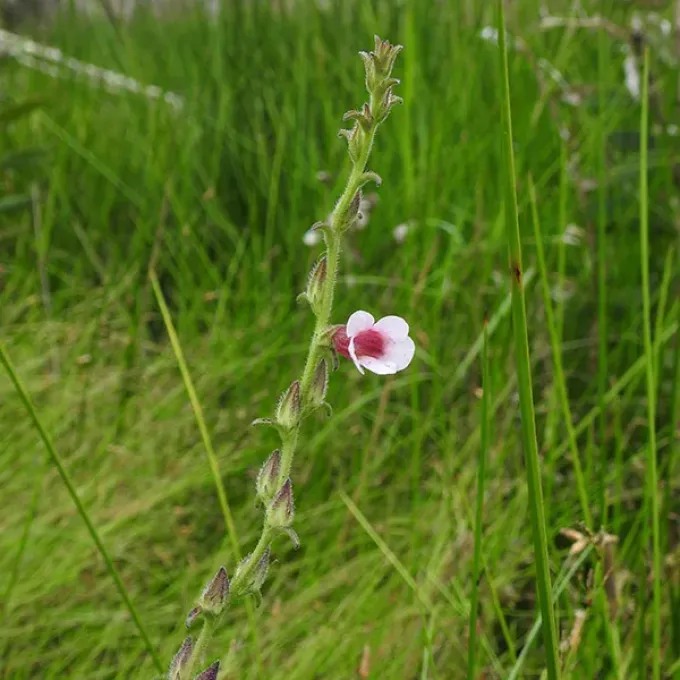
Centranthera cochinchinensis is a member of the Orobanchaceae family. This herbaceous plant functions as a hemiparasite, meaning it derives some of its nutrients by attaching to the roots of host plants, typically grasses.
Sowing should be timed to match the onset of warm, humid seasons. In agricultural settings, the seeds require specific environmental cues to break dormancy and initiate the germination process.
The seeds are exceptionally small and must be sown on the surface of the soil. They are photoblastic, meaning they require light to trigger germination, so they should not be buried under a thick layer of growing medium.
Success in germination depends on the availability of a suitable host plant in the immediate vicinity. Without the chemical signals from the host roots, the survival rate of the seedlings remains significantly low.
Maintaining high humidity levels during the germination phase is essential. Professional growers often use misting systems to ensure that the delicate seeds do not dry out before establishing a connection with a host.
Growing requirements
Centranthera cochinchinensis thrives in well-drained, acidic to neutral soils. It is highly intolerant of waterlogged conditions, which can lead to rapid decay of the delicate root system.
The plant requires high light intensity for optimal growth and development. It is best suited for sunny locations where it can access direct sunlight throughout the majority of the day.
Temperature management is critical for this species. It performs best in tropical or subtropical climates with temperatures ranging between 25°C and 30°C. Exposure to frost or cold snaps is lethal.
Agronomic management requires a strategic approach to soil moisture. While it is a hemiparasite, the plant still benefits from consistent moisture levels in the rhizosphere to facilitate efficient water uptake.
Crop management also involves ensuring that the associated host plants are healthy and robust, as the vigor of the Centranthera depends directly on the success of the host.
Main diseases and pests
The primary threats to the crop include fungal pathogens such as root rot and stem blight, especially in environments with poor air circulation or excessive moisture.
Insects like aphids and caterpillars can cause significant damage to the foliage. Integrated pest management strategies are advised to minimize the impact of these pests while preserving the host-parasite relationship.
Weed management is vital during the early establishment phase. Uncontrolled weed growth can outcompete the young plants for sunlight and soil nutrients, leading to poor development.
Environmental stress, particularly prolonged drought, can force the plant into early dormancy or cause total senescence if the connection to the host is severed.
Application of broad-spectrum herbicides should be avoided, as the physiological link between the hemiparasite and the host plant can make the species highly susceptible to chemical toxicity.