
Centranthera humifusa
Centranthera humifusa
Description
Growing requirements
Centranthera humifusa is a species within the Orobanchaceae family. Unlike many autotrophic plants, this species functions as a hemiparasite, meaning it derives partial nutritional support from the root systems of host plants while retaining its ability to perform photosynthesis.
Native to parts of Southeast and South Asia, the plant is primarily found in wetland ecosystems. It is well-adapted to environments like rice paddies, riverbanks, and marshy meadows, which provide the high humidity levels required for its physiological processes.
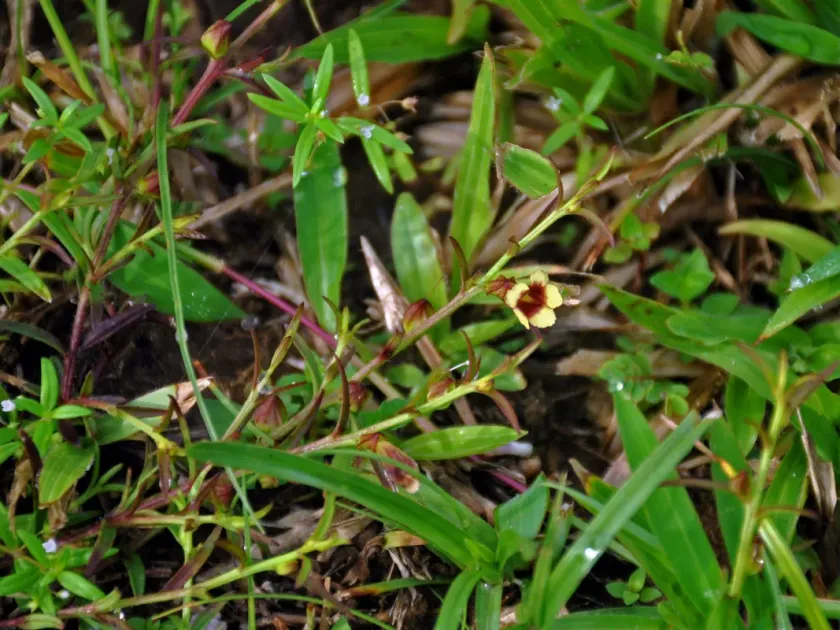
The morphology of the plant is characterized by a low-growing habit and simple, opposite leaves. Its flowers are typically tubular, displaying a range of colors from pale white to deep purple, and are structured to facilitate pollination by specific insect visitors common to tropical wetlands.
Regarding its ecological requirements, the plant thrives in soils with high moisture content and consistent tropical temperatures. It requires a stable environment where the host plant is present in sufficient density to ensure the germination and survival of the parasite.
From an agricultural standpoint, Centranthera humifusa is mostly noted for its presence in rice-growing regions. While it is not a traditional crop, it is of interest in ecological studies and weed management research to understand how parasitic interactions influence the growth and yield of staple cereal crops.