
Cattleya walkerana
Cattleya walkerana G. Gardn.
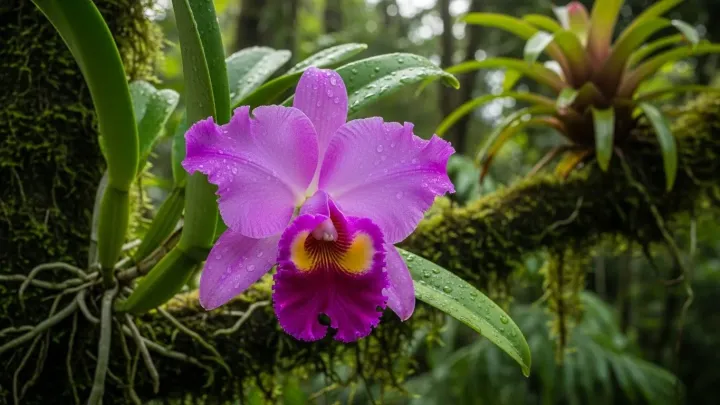
Description
Growing requirements
Cattleya walkerana is a prominent species within the Orchidaceae family. It is an epiphytic and occasionally lithophytic orchid native to Brazil, where it thrives in seasonally dry forests and rocky habitats, adapting to specific light and moisture cycles.
The plant grows sympodially, featuring distinctive fusiform pseudobulbs that typically carry a single, thick, leathery leaf. Its most unique morphological feature is the inflorescence, which emerges from the base of the pseudobulb rather than from the apex, making it a highly desirable subject for collectors.
Cultivation requires strong, bright light to ensure vigorous growth and flowering. While it needs plenty of illumination, it must be protected from midday heat to avoid leaf scorch. Providing a marked difference between day and night temperatures is essential to trigger the flowering cycle.
This orchid demands excellent drainage and air circulation around the root system. In commercial or hobbyist cultivation, mounting the plant on cork bark or using coarse pine bark in well-ventilated baskets is the standard practice to prevent root rot.
During the growing season, consistent moisture and light fertilization are required. However, the plant enters a period of dormancy, during which watering should be significantly reduced to allow the pseudobulbs to dry out, mimicking the natural climate of its habitat.
Main diseases and pests
Fungal infections are the most common threats, primarily caused by improper watering techniques or stagnant air. Rotting of the roots or the rhizome is a critical risk that can quickly lead to the death of the entire specimen if not addressed.
Mealybugs are frequent pests that infest the nooks between the leaves and around the base of the pseudobulbs. Their presence requires immediate treatment with appropriate systemic insecticides to prevent the colonization of the entire plant.
Scale insects often attach to the leaves and pseudobulbs, draining nutrients and weakening the plant's overall vigor. Manual removal combined with horticultural oils or chemical treatments is usually required for control.
Spider mites can occur if the humidity levels drop significantly, causing damage to the foliage and reducing the photosynthetic efficiency of the plant. Maintaining adequate ambient humidity is the primary preventative measure against these pests.
Bacterial soft rot, often triggered by excessive humidity and low temperatures, can result in rapid tissue collapse. High-quality air circulation is the most effective cultural method to reduce the risk of such infections.