
Cattleya loddigesii
Cattleya loddigesii Lindl.
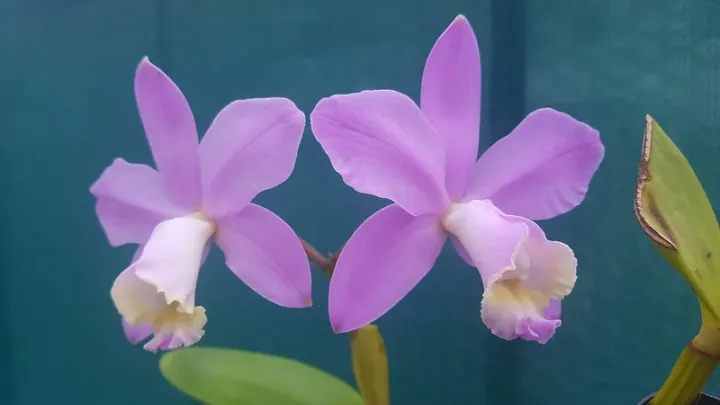
Description
Growing requirements
Cattleya loddigesii is a distinct species within the Orchidaceae family, renowned for its elegant flowers and resilient nature. Native to the tropical regions of Brazil, Argentina, and Paraguay, this orchid typically grows as an epiphyte, colonizing tree branches in humid lowland or montane forests.
The plant structure features sympodial growth with cylindrical pseudobulbs, each topped by two thick, leathery leaves. These organs allow the orchid to store water and survive in environments where moisture availability can fluctuate throughout the seasons.
Successful cultivation requires bright, filtered light. While the plant can tolerate some morning sun, exposure to intense midday heat should be strictly avoided to prevent thermal damage to the leaves. Proper light levels are essential to induce blooming.
The substrate must provide excellent drainage and aeration. A mix consisting primarily of pine bark, charcoal, and a small amount of sphagnum moss is ideal. Standard potting soil must never be used, as it will suffocate the roots and lead to rapid decline.
Temperature management is a critical factor for success. Cattleya loddigesii prefers moderate daytime temperatures between 20°C and 25°C, with a necessary drop at night to 15°C. This diurnal temperature fluctuation is a biological trigger that signals the plant to produce flowers.
Main diseases and pests
Fungal infections are the most frequent health issue for this species, usually caused by stagnant water or inadequate airflow. Symptoms often appear as soft, discolored spots on the pseudobulbs or leaves, requiring immediate excision of the affected parts.
Scale insects are common pests that attach themselves to the undersides of leaves and along the pseudobulbs. These insects are difficult to detect early, so regular monitoring is required to prevent widespread infestation and the subsequent weakening of the plant.
Spider mites thrive in dry conditions and can quickly cause silvering or yellowing of the leaves. Increasing humidity levels around the plant is the most effective way to deter these pests and maintain the overall health of the foliage.
Root rot is a major threat linked to improper watering practices. If the medium remains soggy for extended periods, the roots lose the ability to exchange oxygen, leading to necrosis. Repotting into fresh medium is necessary to rescue the plant from advanced rot.
Viruses represent an incurable threat to orchid collections. Once a plant shows signs of mosaic patterns or distorted growth, it must be isolated or destroyed to prevent the spread to healthy specimens, as tools and pests can easily transmit these pathogens.