
Madagascar periwinkle
Catharanthus roseus (L.) G. Don x Catharanthus trichophyllus (Baker) Pichon
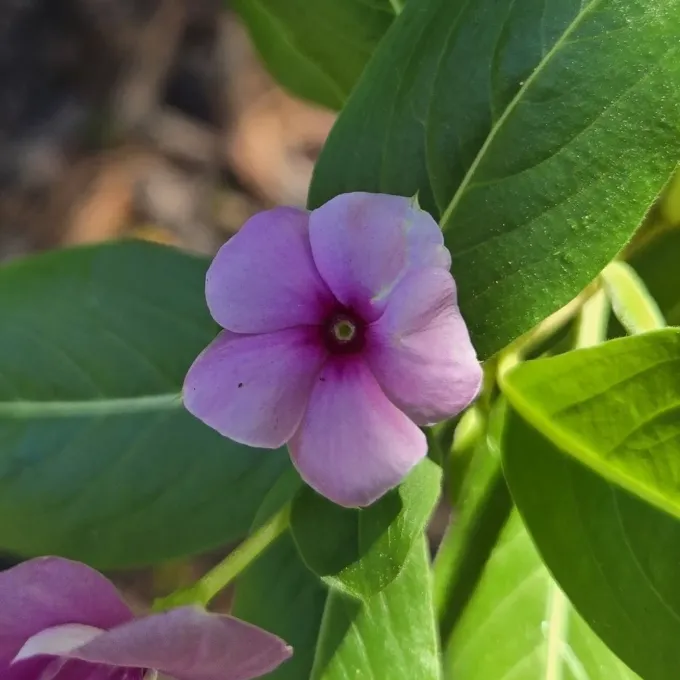
Description
Sowing dates
Madagascar periwinkle (Catharanthus roseus) is a member of the Apocynaceae family. It is a tropical perennial often cultivated as an annual in cooler climates due to its sensitivity to frost.
Propagation is primarily done via seeds. Sowing typically occurs in early spring under controlled indoor conditions, using a sterile substrate to prevent early-stage seedling diseases.
Seeds require darkness for optimal germination. After sowing, containers are kept in a warm environment (24–25°C) until seedlings emerge, at which point light exposure is gradually increased.
Seedlings are transplanted into individual pots after the development of two or three true leaves. This step is crucial for strengthening the root system before the final planting.
The final transfer to the field takes place once soil temperatures are consistently high and all risks of cold weather have passed. Proper spacing is essential to ensure adequate air circulation.
Growing requirements
The plant thrives in full sun but can tolerate partial shade in extremely hot climates. However, maximum alkaloid production is observed under full sun exposure.
It prefers well-drained, fertile soil with a slightly acidic to neutral pH. It is highly intolerant of waterlogged conditions, which lead to root rot and other fungal pathogens.
Regular irrigation is necessary during the growing season. The soil should be kept moist but allowed to dry out slightly between waterings to encourage deep root penetration.
Fertilization should be balanced, with a focus on phosphorus and potassium during the flowering stage to maximize biomass quality and metabolic content.
Maintaining proper hygiene in the growing area is essential. Given its medicinal value, minimizing the use of broad-spectrum pesticides is preferred to ensure a clean final product.
Yield
The primary economic output is the vegetative biomass, specifically the leaves and stems. These parts are the source of specialized alkaloids used in chemotherapy.
Yields are heavily dependent on climatic conditions and specific genotype selection. High-input agronomy in tropical regions can result in substantial yearly biomass output.
The concentration of secondary metabolites is highest at the onset of flowering. Therefore, harvesting timing is the most critical factor for ensuring high-quality yields for pharmaceutical use.
Post-harvest management is vital; biomass must be dried quickly under controlled temperatures to prevent the enzymatic degradation of sensitive alkaloids.
Ongoing research aims to improve harvest indices through better nutrient management and the selection of high-alkaloid cultivars.
Main diseases and pests
Root and crown rot (Pythium and Phytophthora species) are the most significant threats, especially in areas with poor drainage or over-irrigation.
Aphids and whiteflies are the most common pests. They cause direct damage by feeding on plant sap and act as vectors for various plant viruses.
Viral infections can significantly stunt growth and reduce the quality of the raw material. Early identification and removal of infected plants are standard control practices.
- Implementing crop rotation to reduce soil-borne pathogens.
- Using reflective mulches to deter insect vectors like whiteflies.
- Applying biological control agents to manage pest populations naturally.
Effective management requires a combination of good cultural practices and timely monitoring to prevent large-scale outbreaks.
Harvesting
Harvesting is typically performed once the plants reach the peak of their flowering phase. Stems are cut at a height that allows for potential regrowth if the climate permits.
The harvested material must be kept in clean, dry conditions. Exposure to heat and humidity immediately after cutting can lead to the loss of chemical potency.
Mechanical drying is the preferred method for large-scale production, ensuring the moisture content is reduced to levels safe for long-term storage.
Quality control post-harvest involves laboratory testing for specific alkaloid concentrations, which determines the final market value of the crop.
Properly processed biomass is then packed in moisture-resistant containers and transported to extraction facilities for the isolation of pharmaceutical compounds.