
Carissa
Carissa
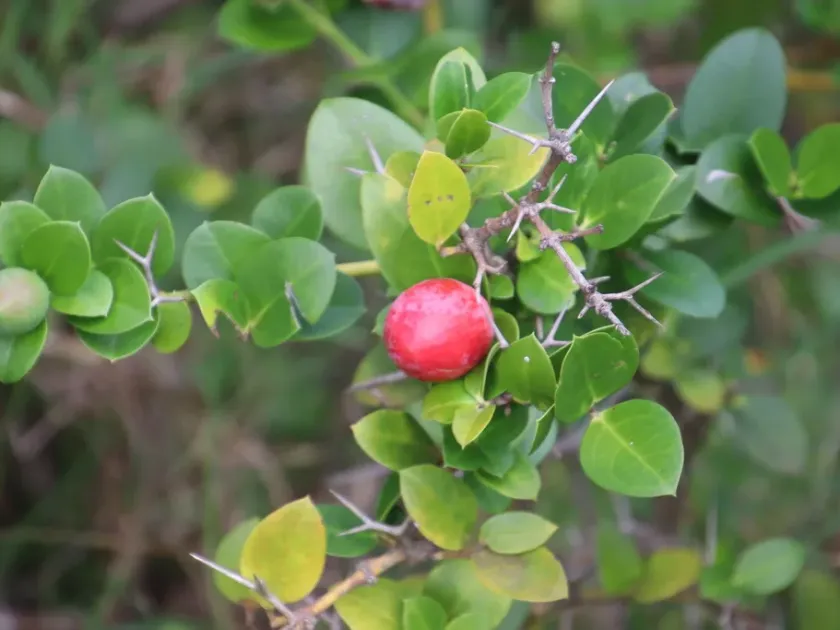
Description
Sowing dates
Propagation of Carissa is commonly achieved through seeds or stem cuttings. Seeds should be sown immediately after harvest, as their viability decreases rapidly, requiring a soil temperature of approximately 25 degrees Celsius for germination.
When using vegetative propagation, semi-hardwood cuttings are harvested in the spring. These cuttings are typically treated with rooting hormones and kept in a high-humidity environment to ensure successful establishment.
Transplanting young seedlings into the field or permanent containers should occur only after the danger of frost has passed, as the plant is highly sensitive to cold temperatures.
The spacing between plants must be carefully calculated, allowing at least two meters of distance to accommodate the naturally spreading architecture of the shrub and ensure proper airflow.
Given the slow initial growth rate of Carissa, it is essential to provide consistent watering and balanced fertilization during the first few growing seasons to promote healthy plant development.
Growing requirements
Carissa belongs to the Apocynaceae family and thrives in sunny, well-lit locations. It is highly valued not only for its fruit but also for its drought tolerance once the root system is well-established.
The soil must have excellent drainage, as waterlogged conditions are highly detrimental to the root health of the species. Sandy or loamy soils with a neutral pH are ideal for optimal production.
While the plant is hardy in tropical and subtropical climates, it cannot withstand temperatures below freezing, which limits its commercial cultivation to specific geographical zones.
Regular irrigation is required during the fruit development stage, despite the plant's reputation for being hardy, to ensure high fruit quality and yield consistency.
Proper pruning is a mandatory agronomic practice to maintain plant structure, remove dead wood, and improve air circulation, which prevents fungal diseases in dense foliage.
Yield
The yield of Carissa is proportional to the age and health of the shrub, with mature specimens capable of producing significant harvests throughout the productive season.
The fruits are round berries that turn deep red or purple when ripe. They are prized for their high vitamin C content and unique, sweet-tart flavor profile.
Commercial harvesting is performed manually, selecting only fully ripened berries, which contributes to the product's quality in fresh fruit markets.
Carissa fruits demonstrate good shelf life if stored in cool conditions, making them suitable for short-distance distribution and local market processing.
- Utilization of fruit in the production of jellies, preserves, and jams.
- High potential for hedging applications in orchards to serve as a biological fence.
- Development of specialized cultivars for improved fruit size and thorn reduction.
Main diseases and pests
Common pests affecting Carissa include scale insects and mealybugs, which tend to congregate on tender stems and the undersides of leaves, weakening the plant.
Fungal infections of the roots often arise from over-irrigation or poorly drained soil, necessitating strict control over water application methods.
Spider mites can be particularly problematic during periods of extreme heat and low humidity, causing leaf yellowing and reduced photosynthetic efficiency.
Integrated pest management, including the use of targeted insecticides and biological controls, is recommended to protect the crop while ensuring food safety standards.
Maintaining a clean cultivation environment through regular sanitation and the removal of infected debris significantly lowers the incidence of common agricultural pathogens.