
Cardiocrinum hybrids
Cardiocrinum hybrids
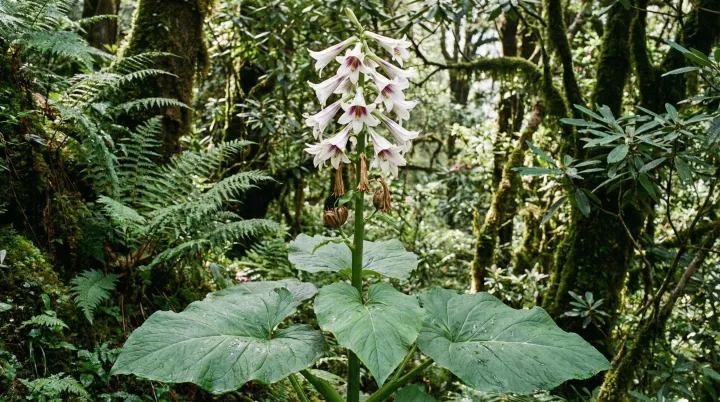
Description
Sowing dates
Propagating Cardiocrinum hybrids from seed is a long-term project that requires patience. Seeds must be sown in the autumn to undergo a natural period of cold stratification, which is essential for breaking dormancy.
Germination is notoriously slow and erratic, often taking up to two years for seedlings to emerge. During this phase, it is crucial to keep the soil surface moist and protected from direct sunlight to prevent desiccation.
Once seedlings have developed, they should be kept in a nursery bed or container with rich, organic substrate. Regular watering and protection from heavy rain are necessary to ensure the young bulbs develop enough mass for eventual transplantation.
Vegetative propagation via offsets is the preferred method for maintaining genetic uniformity. Offsets should be carefully separated from the parent bulb after flowering and planted in high-quality compost to mature.
The time from initial planting to the first bloom is typically five to seven years. During this period, the plant focuses on developing a massive bulb capable of supporting a tall flower spike.
Growing requirements
As members of the Liliaceae family, Cardiocrinum hybrids are magnificent bulbous perennials known for their towering stature and fragrant, trumpet-shaped flowers. They are woodland plants that thrive in dappled shade.
The ideal soil is deep, fertile, and rich in humus. Good drainage is vital, as the large bulbs can easily rot in stagnant water. Incorporating leaf mold or well-rotted compost into the planting hole provides the necessary nutrients.
These plants require consistent moisture, especially during the spring and summer growth cycles. Mulching around the base of the plant helps retain soil moisture and keeps the roots cool, mimicking their natural forest environment.
Cardiocrinum are monocarpic, meaning the main bulb dies after the plant flowers and sets seed. Success in cultivation depends on ensuring the surrounding offsets are healthy and ready to take over the next cycle.
While they are hardy in many temperate climates, the growing tip can be vulnerable to late spring frosts. Providing a light protective cover during early spring or in harsh winters can prevent damage to the developing flower stalk.
Main diseases and pests
Botrytis, or grey mold, is the most common fungal threat, particularly in damp or overcrowded conditions. It can cause rapid decay of leaves and bulbs, necessitating the removal and destruction of affected parts.
Pests such as thrips and bulb mites can severely weaken the plant by feeding on its tissues. Regular monitoring and the application of appropriate insecticides are necessary to maintain plant vigor during the growing season.
Slugs and snails can cause significant damage to emerging shoots in the spring. Implementing control measures, such as bait or physical barriers, is essential to protect the succulent young growth.
Fusarium wilt can occur if the soil is poorly drained or if the bulb has been damaged during handling. This disease leads to yellowing foliage and a gradual decline of the plant, often resulting in bulb rot.
Maintaining high hygiene standards in the garden and avoiding excess nitrogen fertilizers, which can produce soft, disease-prone tissue, are key strategies for preventing serious outbreaks.