
Giant Himalayan Lily
Cardiocrinum giganteum
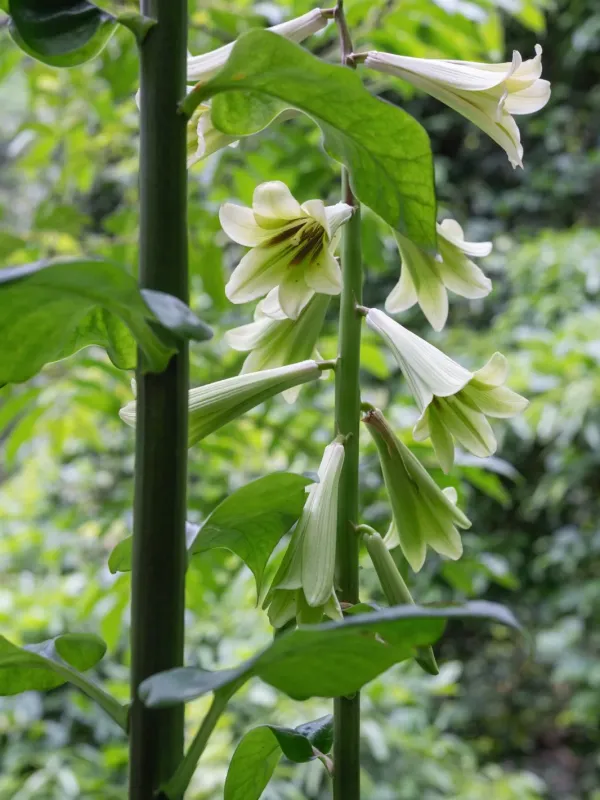
Description
Sowing dates
Seeds of Cardiocrinum giganteum should be sown immediately after collection in the autumn to ensure maximum viability. Because the seeds require a period of cold stratification, sowing them outdoors in a protected frame is the most effective method for germination.
If sowing in trays, it is critical to maintain a cool environment, as the seeds often require two winters to germinate successfully. Patience is key, as the initial growth phase is slow and focuses on developing a small bulb before producing leaves.
The seedlings develop into small bulbs that require careful handling when transplanting. It can take up to seven years from seed to the first flowering stage, making this a long-term commitment for the gardener.
Vegetative propagation via offsets is the preferred method for faster multiplication. Once the main flowering bulb dies back, offset bulbs can be carefully separated and replanted in prepared soil to continue the cycle.
Optimal planting time for offsets is late summer, allowing the new bulbs to establish a root system before the onset of winter dormancy in the temperate climate zones.
Growing requirements
Cardiocrinum giganteum thrives in woodland conditions, requiring partial shade and protection from harsh midday sun. It is an excellent choice for sheltered sites in a garden where cool, humid air can be maintained.
The soil must be deeply enriched with leaf mold, compost, and organic fertilizers. A well-drained but moisture-retentive substrate is essential for the healthy development of its massive, succulent bulb.
This species is a heavy feeder and benefits from regular applications of organic matter. The pH of the soil should be neutral or slightly acidic to ensure optimal nutrient uptake for the vigorous growth of the flower spike.
Watering is paramount during the active growing season. The plant should never be allowed to dry out completely, as its shallow root system is highly sensitive to fluctuations in soil moisture levels.
During winter, providing a protective mulch layer over the crown of the bulb is recommended, especially in colder regions, to protect the plant from extreme frost damage and rapid soil temperature changes.
Main diseases and pests
Slugs and snails are the primary pests of the Giant Himalayan Lily, especially during the early spring when the tender new shoots emerge. Protection strategies like copper tape or eco-friendly bait are necessary.
Fungal issues such as basal rot can occur if the planting site lacks proper drainage. Over-saturation of the soil during the plant's dormancy is a frequent cause of bulb death in many garden conditions.
Aphids can transmit viral diseases that lead to stunted growth and mottled leaves. Regular monitoring of the foliage and systemic treatments can help mitigate the spread of these harmful viruses.
Soil-borne larvae, such as those of the lily beetle or wireworms, can damage the roots and bulbs. Incorporating organic pest control or beneficial nematodes into the soil profile can provide some measure of protection.
Proactive care, including the removal of any diseased plant tissue and ensuring adequate air circulation around the plants, significantly reduces the likelihood of severe outbreaks of common lily pathogens.