
Calostemma purpureum
Calostemma purpureum
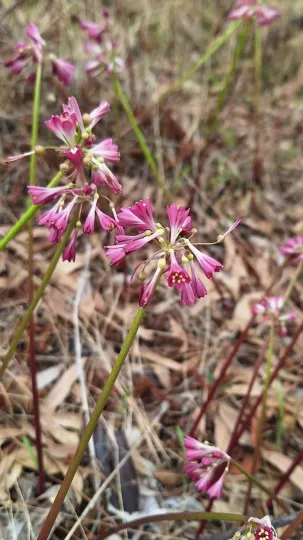
Description
Sowing dates
Propagation is typically achieved by offset division, where daughter bulbs are carefully separated from the parent bulb during the dormant season.
Seed propagation is also possible; however, seeds must be sown immediately after maturation because they possess short-term viability and lack dormancy.
When planting, ensure the bulb is placed at a depth that allows the neck to remain just at or below the soil surface to encourage robust shoot development.
Spacing between bulbs should be adequate to allow for air circulation, which helps manage the humidity levels around the growing point of the plant.
Initial irrigation should be light, increasing gradually as the first leaves emerge, mirroring the natural moisture cycle of the Australian landscape.
Growing requirements
Calostemma purpureum is a perennial bulbous plant belonging to the Amaryllidaceae family, native to the arid and semi-arid regions of Australia.
In its natural habitat, the plant is adapted to heavy clay soils and experiences a distinct cycle of growth during cool, moist periods followed by dormancy in the heat.
Successful cultivation requires a well-draining soil medium to prevent waterlogging, which is critical as the bulbs are highly susceptible to basal rot.
The plant thrives under full sun, although in high-heat environments, some afternoon shade is beneficial to prevent desiccation of the foliage.
Temperature management is crucial; the plant requires a period of distinct seasonality to trigger its blooming cycle, making it ideal for Mediterranean-like climates.
Main diseases and pests
The most significant threat to Calostemma purpureum is fungal infection, particularly root rot, which is often exacerbated by poor drainage or overwatering.
Insect pests, such as bulb mites and various soil-dwelling larvae, can damage the bulb tissue, leading to stunted growth and secondary bacterial infections.
Preventive measures include the application of systemic fungicides and maintaining a strict sanitation program to remove dead plant material from the site.
Slugs and snails can consume young foliage rapidly; therefore, integrated pest management practices should be employed during the early growing phase.
Routine monitoring for yellowing or wilting of the foliage is essential, as these symptoms often indicate underlying subterranean issues that require immediate intervention.