
Calostemma luteum
Calostemma luteum
Description
Growing requirements
Calostemma luteum, commonly known as the yellow calostemma, is a perennial bulbous plant belonging to the Amaryllidaceae family. Native to the arid regions of Australia, it is specifically adapted to survive in harsh environmental conditions with limited water availability.
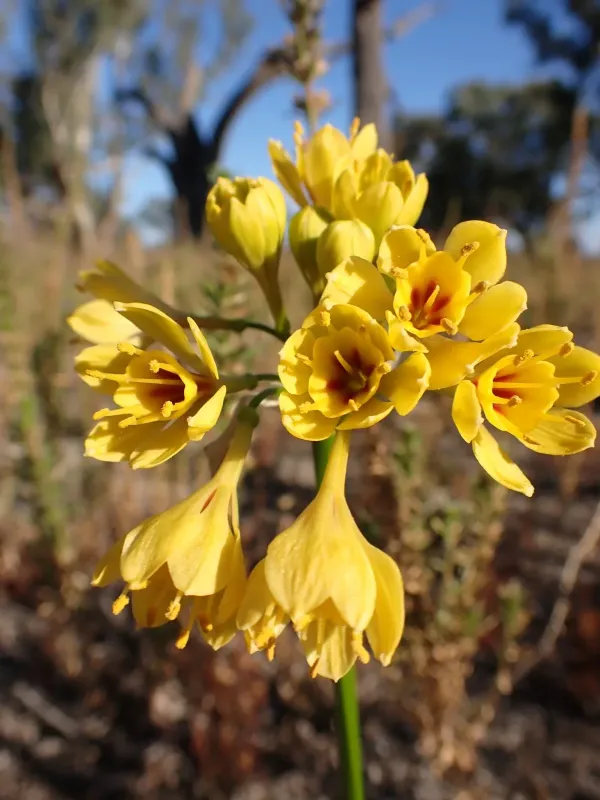
The plant features narrow, basal leaves and produces striking, umbel-shaped inflorescences with tubular yellow flowers. The underground bulb acts as a vital storage organ, allowing the plant to store energy and nutrients during its distinct vegetative and dormant phases.
For optimal growth, Calostemma luteum requires well-draining, sandy soils that mimic its natural habitat. It thrives in full sun exposure, which is essential for stimulating flowering and maintaining the vitality of the bulb throughout the growing season.
Agricultural management requires careful attention to the irrigation schedule, particularly during the dormant season. The plant naturally requires a dry spell to reset its biological cycle, making water management the most critical aspect of its care.
Cultivation of this species is primarily focused on ornamental horticulture, particularly among collectors of rare geophytes. Its ability to tolerate dry conditions makes it a suitable candidate for xeriscaping or rock garden applications in appropriate climatic zones.
Main diseases and pests
The primary threat to the stability of Calostemma luteum populations in cultivation is root rot caused by fungal pathogens. This typically occurs in poorly drained soils or when excessive watering leads to anaerobic conditions in the root zone.
Pests such as bulb mites and nematodes can pose a significant challenge by attacking the subterranean parts of the plant. Maintaining hygiene during the planting process and using certified, disease-free bulbs are fundamental to avoiding these serious infestations.