
Kerner's buttercup
Callianthemum kernerianum
Description
Growing requirements
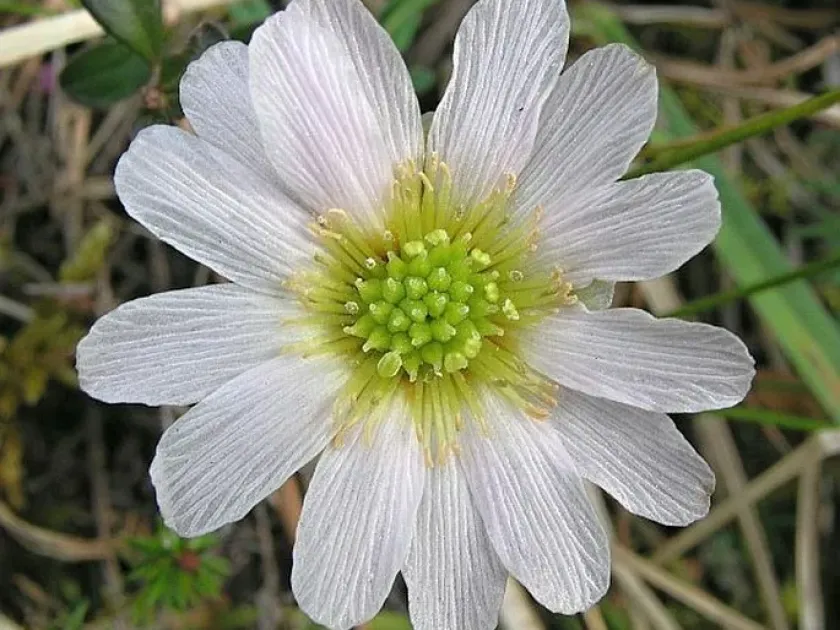
Kerner's buttercup (Callianthemum kernerianum) is a perennial plant species belonging to the Ranunculaceae family. It is a specialized alpine herb known for its delicate habit and early spring flowering, native to high-altitude limestone formations in the Alps.
Botanically, the plant develops from a perennial rootstock, featuring finely divided foliage that stays compact. The flowers are typically white or pale pink, appearing shortly after the snow melts, which is a key trait of many high-mountain flora species.
Successful cultivation requires specific soil conditions, primarily a well-drained substrate that mimics mountain scree. The inclusion of grit or limestone chips is essential to ensure aeration and prevent the root system from sitting in stagnant water.
The climate requirements emphasize a need for cool summers and significant diurnal temperature variation. In garden settings, site selection should favor northern or eastern exposures to minimize heat stress during peak midsummer temperatures.
The agricultural or horticultural use of this plant is largely restricted to rock gardens and specialized alpine nurseries. It is considered a collector's plant rather than a widespread crop, requiring significant expertise to maintain long-term vigor.
Main diseases and pests
The primary threats to the survival of this species in cultivation are fungal infections, particularly root rot (Pythium or Phytophthora) caused by poor soil drainage. Maintaining a sterile growing environment is often recommended for sensitive alpine species.
Pests are generally less of an issue, but soil-dwelling larvae and nematodes can pose a risk to the roots in warmer environments. Implementing a gravel mulch helps regulate soil temperature and physical barriers against certain surface-feeding pests.