
Callianthemum anemonoides
Callianthemum anemonoides
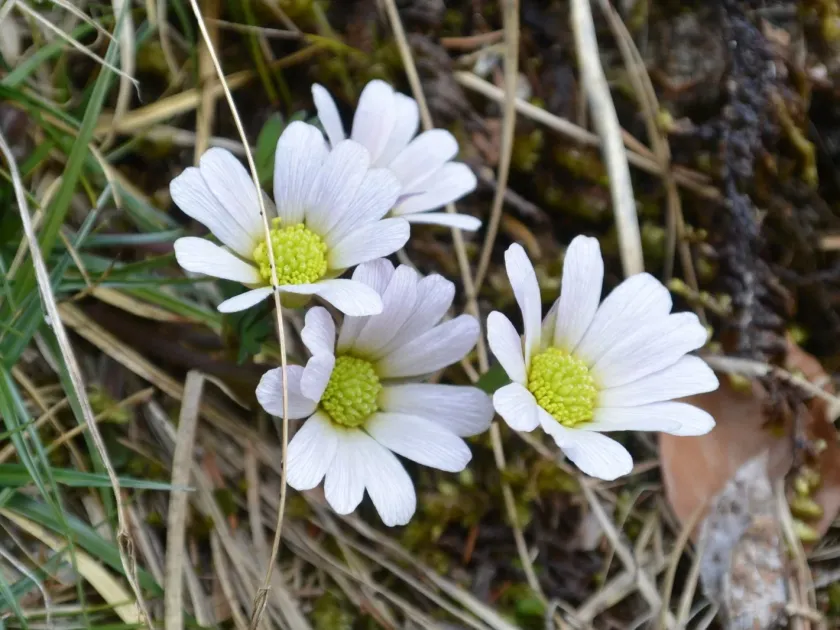
Description
Growing requirements
Callianthemum anemonoides is a perennial plant belonging to the Ranunculaceae family, indigenous to the high-altitude rocky environments of the Eastern Alps. It is a highly sought-after species for alpine gardening due to its elegant growth habit and delicate flowers.
The plant features a basal rosette of finely divided, glaucous leaves that provide texture throughout the growing season. In spring, it produces attractive white to pale pink flowers on short, sturdy stems, making it an excellent candidate for specialized displays.
Regarding climate requirements, this species thrives in regions with cool, temperate summers and prefers well-ventilated positions. It is highly sensitive to extreme heat and high humidity, which can lead to plant decline if not managed correctly in the garden setting.
Soil quality is paramount for Callianthemum anemonoides. It requires a gritty, loose, and well-drained substrate that mimics its natural scree habitat. A neutral to slightly alkaline pH is ideal, provided the soil allows for rapid water drainage and prevents moisture accumulation around the crown.
In landscape architecture, the plant is primarily utilized in alpine houses, rock gardens, and troughs where its specific environmental needs can be closely controlled. Its role in professional horticulture is that of an elite ornamental specimen for collectors and specialized landscape designs.
Main diseases and pests
The most significant threat to the health of Callianthemum anemonoides is crown rot, triggered by poor drainage or stagnant moisture. This is particularly problematic during winter dormancy if the substrate remains waterlogged, leading to immediate failure of the root system.
Pests such as aphids and spider mites may target the foliage during warm, dry spells when the plant is stressed. Additionally, gastropods, including slugs and snails, find the soft, emerging leaves highly palatable and can cause substantial aesthetic damage if left unchecked.
Preventive measures for disease include top-dressing the planting area with sharp grit to ensure the crown remains dry. This practice also promotes better airflow, which reduces the incidence of fungal pathogens and creates a cleaner environment for the rosette.
Management of pests involves manual removal or the application of selective, plant-safe insecticides when necessary. Monitoring the plant for signs of stress is crucial, as healthy specimens are significantly more resistant to moderate pest infestations.
Regular sanitation, including the removal of dead foliage at the start of the season, helps maintain vigor and lowers the likelihood of harborages for various pests. Overall, adhering to its specific ecological requirements remains the most effective defense strategy for this alpine plant.