
Hondo callianthemum
Callianthemum hondoense
Description
Growing requirements
Hondo callianthemum (Callianthemum hondoense) is a rare herbaceous perennial plant belonging to the Ranunculaceae family. Native to the high-altitude regions of Japan, it is highly adapted to rocky slopes and alpine meadows, which dictates its specific environmental needs in cultivation.
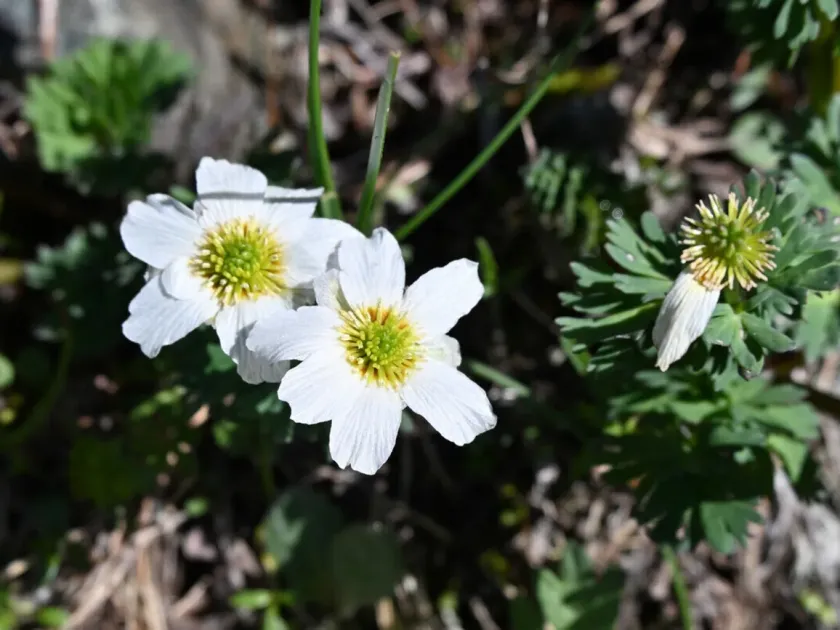
Botanically, the plant forms compact rosettes of finely divided, glaucous leaves that maintain a low profile throughout the growing season. In the spring, it produces elegant, anemone-like flowers with white or subtle pinkish petals, serving as a signature ornamental feature for specialized rock garden collections.
Successful cultivation requires a cool climate and excellent air circulation. The plant is notoriously sensitive to humidity and heat, necessitating a location that mimics its natural mountain habitat. High-altitude gardening techniques, such as providing consistent moisture without stagnation, are critical for survival.
The soil requirements for Callianthemum hondoense include a well-draining, gritty, and neutral-to-slightly-acidic medium. Incorporating stone chips or gravel into the planting site ensures rapid drainage, preventing the roots from rotting during the winter months or unexpected rainy periods.
Host-plant use is primarily limited to botanical collections and rock gardens due to the plant's delicate nature and demanding maintenance. It is considered a prize for dedicated gardeners who can provide the stability and precision needed to thrive in non-native, lower-altitude conditions.
Main diseases and pests
Root rot remains the most significant threat to the health of the plant, often triggered by excessive moisture and poor drainage in the substrate. To mitigate this risk, it is essential to ensure that the crown of the plant stays dry and well-ventilated, often by applying a layer of coarse gravel around the base.
Pests, such as aphids and spider mites, may cause damage during dry, hot weather spells. Gardeners should monitor the foliage frequently for signs of infestation and apply appropriate, gentle treatments to manage pests before they severely compromise the plant's structural integrity.