
Bog arum
Calla
Description
Growing requirements
Bog arum (Calla palustris) is a rhizomatous perennial plant belonging to the Araceae family. This species is native to cool temperate regions of the Northern Hemisphere, where it naturally thrives in swamps, bogs, and along the margins of stagnant or slow-moving water bodies.
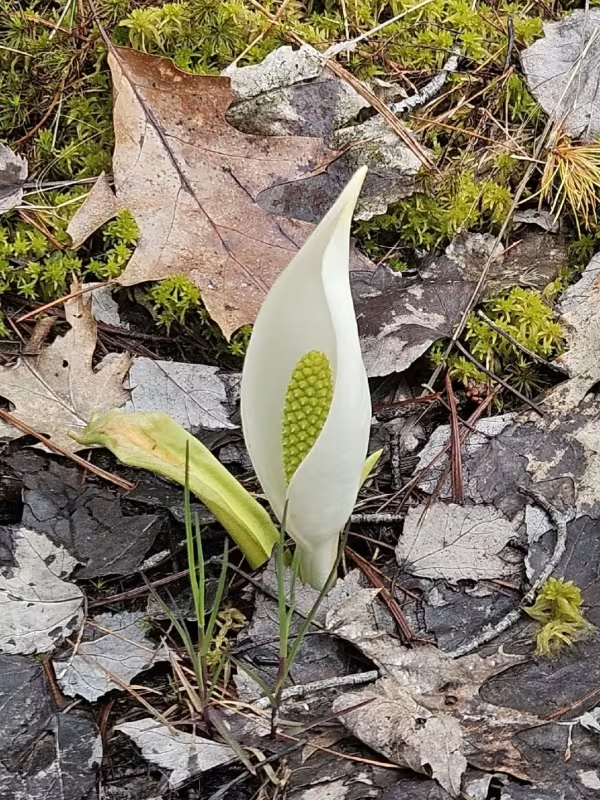
The plant is distinguished by its glossy, heart-shaped leaves and a unique inflorescence consisting of a spadix protected by a white spathe. Its creeping rhizomes allow the plant to spread rapidly and anchor itself firmly in saturated, muddy substrates or shallow water.
To cultivate Bog arum successfully, it requires partial shade and consistently moist, nutrient-rich soil. It is highly adaptable to water depths ranging from 0 to 20 centimeters, making it an excellent candidate for aquatic landscaping and water garden projects.
The ideal environment involves a slightly acidic soil composition. When grown in controlled agricultural or decorative conditions, the plant responds well to organic fertilization within the substrate, which mimics the natural accumulation of detritus in wetlands.
Beyond its aesthetic value, the culture is utilized in ecological engineering. Its robust root system and ability to absorb excess nutrients contribute to the biological filtration of aquatic systems, helping to manage water quality in artificial ponds and small-scale wastewater treatment areas.
Main diseases and pests
While Bog arum is generally resilient, it can be susceptible to fungal pathogens if water circulation is poor or if the water becomes excessively stagnant and eutrophic. Proper management of the water environment is the primary method of preventing disease outbreaks.
Common pests such as aphids may occasionally infest the foliage during particularly warm and dry periods. If chemical intervention is necessary, it is critical to use environmentally friendly solutions to avoid disrupting the balance of the aquatic ecosystem.
The plant contains calcium oxalate crystals, which are toxic if ingested and can irritate the skin. It is advised to wear protective gloves when handling the plant during division or harvesting to prevent contact dermatitis or other allergic reactions.
In terms of long-term health, regular monitoring for signs of rot at the base of the stems is essential. Removing decaying foliage prevents the spread of bacteria and promotes more vigorous growth during the subsequent vegetation cycle.
Maintaining the correct planting density is also a vital aspect of pest and disease management. Overcrowding can lead to poor oxygenation of the roots; therefore, periodic thinning of rhizomes ensures that the plants remain healthy and robust throughout the growing season.