
Wood small-reed
Calamagrostis arundinacea (L.) Roth
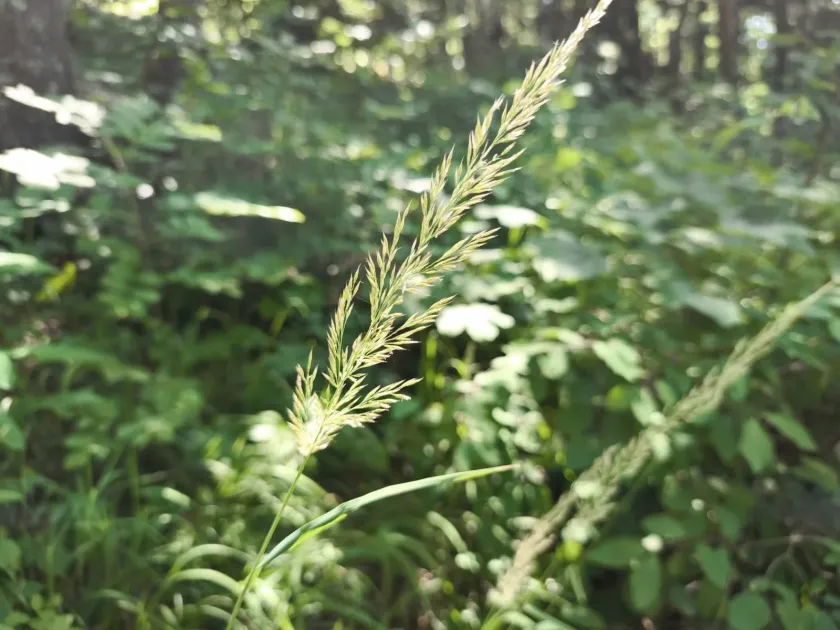
Description
Sowing dates
Wood small-reed (Calamagrostis arundinacea) is a perennial grass species belonging to the Poaceae family. Sowing is typically performed in early spring as soon as soil temperatures reach 10-12 degrees Celsius to ensure optimal germination rates.
Late autumn sowing is also a viable option, allowing seeds to undergo natural stratification during the winter months. Proper seedbed preparation, including fine-tuning soil tilth, is essential because the seeds are quite small and sensitive to deep burial.
Vegetative propagation via clump division is often preferred for rapid establishment. This process is best conducted during the early spring or late autumn when the plant is not in its peak growth phase, ensuring higher survival rates for divided specimens.
Planting density varies based on the intended use; for decorative landscaping, spacing of 30-40 cm is ideal. For soil erosion control or forage production, closer spacing helps achieve a solid sod cover more quickly.
Early-stage weed control is critical for wood small-reed. While it eventually becomes an aggressive and competitive species, young plants need a clear space to establish their root systems without being choked by faster-growing weeds.
Growing requirements
This grass exhibits significant ecological plasticity, making it suitable for various environmental conditions. It generally prefers moderately moist soils but is remarkably drought-tolerant once it has fully established its deep root system.
It thrives on well-drained loamy soils but shows good adaptability to different pH levels, ranging from slightly acidic to neutral. Its native range spans across temperate regions in Europe and Asia, reflecting its resilience.
Wood small-reed is adaptable regarding light exposure. It performs well in full sun, which promotes denser growth and flowering, but it is also one of the few grasses that tolerate partial shade, making it useful in woodland settings.
In terms of soil management, heavy clay soils require the addition of sand or organic matter to improve aeration. While the plant likes moisture, it does not tolerate waterlogged conditions, so adequate drainage is a key prerequisite for success.
The plant is exceptionally hardy, capable of surviving harsh winters without the need for additional protection. This reliability makes it a top choice for agricultural projects in regions where milder grasses might fail due to frost.
Yield
Wood small-reed is highly valued for its consistent biomass production. Yield levels depend heavily on soil fertility, moisture availability, and the age of the stand, with older stands often needing rejuvenation to maintain vigor.
As a forage source, the grass is most productive during the early vegetative phase. Harvesting before flowering ensures a higher concentration of protein and minerals, which significantly improves palatability for livestock.
Beyond forage, the species is effectively utilized in environmental engineering. Its extensive root structure makes it an excellent choice for stabilizing slopes, embankments, and areas prone to soil erosion or runoff.
In ornamental applications, yield is measured by the plant's ability to fill in space and produce its characteristic feathery panicles. These plumes persist into winter, providing year-round visual appeal for gardens and public landscapes.
Implementing a strategic nitrogen fertilization program in early spring can significantly boost biomass output, particularly in fields dedicated to hay production or soil stabilization efforts.
Main diseases and pests
Wood small-reed possesses a robust natural immune system, rarely suffering from devastating pest or disease outbreaks when grown under proper agricultural practices. Its tough leaves contain silica, which naturally deters many insects.
In conditions with excessive humidity or poor air circulation, fungal infections such as rust may occur. Regular monitoring and, if necessary, the application of systemic fungicides can effectively manage these issues.
While insect pests like aphids or cereal flies may occasionally visit the plants, they rarely cause significant economic damage. The structural integrity of the plant often prevents widespread infestation by common grass-feeding insects.
The best defense against disease is maintaining cleanliness in the planting area. Prompt removal of dead plant material at the end of the growing season minimizes the risk of pathogen accumulation and promotes healthier regrowth.
Overall, its high resistance to abiotic and biotic stressors confirms its status as a reliable and low-maintenance culture, ideal for large-scale environmental projects where chemical inputs must be kept to a minimum.
Harvesting
Harvest timing is dictated by the specific objective. For high-quality hay or green forage, cutting must occur before the onset of flowering to maximize nutritional value and avoid the development of stiff, less palatable fibers.
For seed production, harvesting takes place when the panicles reach full maturity and turn a light straw color. Precision is necessary to avoid seed loss through natural shattering, which can happen rapidly in warm weather.
In decorative settings, harvesting or pruning is limited to cutting back the old foliage. This is best done in late winter or early spring before the new growth starts, ensuring the plant looks neat and healthy for the new season.
If the goal is soil stabilization, the grass is usually left unharvested. Keeping the foliage intact provides necessary ground cover and helps trap moisture, preventing erosion throughout the winter and spring months.
Mechanized harvest is straightforward using standard agricultural mowers. The plant's structure allows for easy cutting and drying, making the post-harvest processing of the biomass highly efficient for storage or immediate distribution.