
European beachgrass
Calamagrostis arenaria (L.) Roth subsp. Arenaria
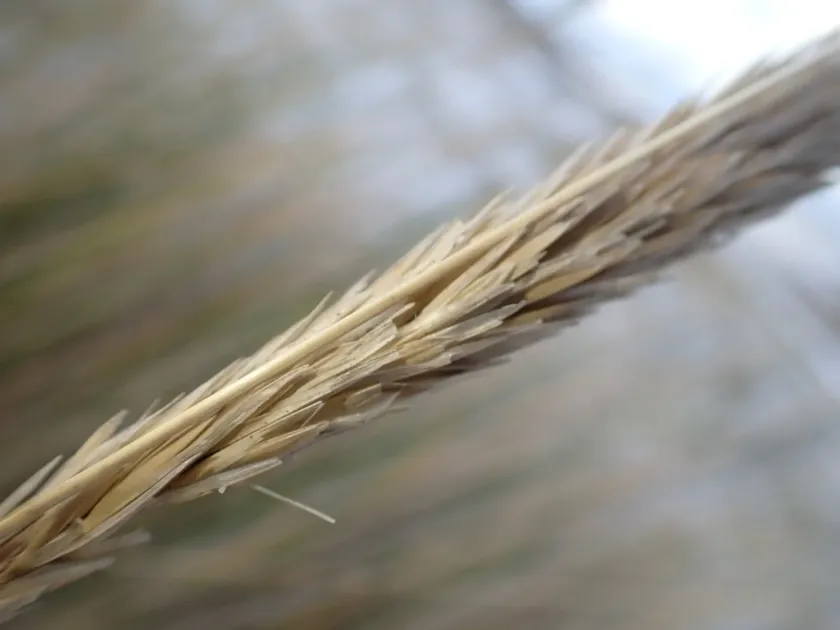
Description
Sowing dates
The planting of European beachgrass is typically carried out during the dormant season or early spring to maximize root development before the onset of summer drought.
Vegetative propagation using rhizome segments is the primary method for establishing large-scale plantations, as it ensures quicker stabilization compared to seeds.
Segments should be buried at a depth of 20 to 30 centimeters to ensure the rhizome remains moist and secure while the plant acclimates to the environment.
Proper spacing between plants is essential; placing them in a grid or staggered pattern helps to trap sand effectively and initiate dune building.
Strategic timing involves avoiding periods of extreme temperature and high wind speeds that could cause erosion before the roots have stabilized the sand.
Growing requirements
European beachgrass is a member of the Poaceae family, specifically adapted as a pioneer species for coastal sand dunes and sandy habitats.
It thrives in nutrient-poor, high-drainage, and saline environments, showing a remarkable ability to survive where few other plants can take root.
The plant requires full sun exposure and actually benefits from periodic burial by blowing sand, which promotes deeper root growth and leaf proliferation.
Its deep, complex root system acts as a natural binder, significantly increasing the shear strength of sand and preventing coastal wind erosion.
While tolerant of harsh climate conditions, the grass prefers regions with high humidity and stable temperatures characteristic of maritime zones.
Main diseases and pests
The species is generally robust, but it can be susceptible to various root pathogens if the soil conditions become waterlogged or suffer from drainage issues.
Insect pests are rarely a significant concern, although certain specialized larvae may feed on the leaves, usually without causing long-term damage to the stand.
A major threat to the health of beachgrass colonies is the encroachment of non-native plant species that can outcompete it in stabilized dune environments.
Human disturbance, such as excessive trampling, can physically damage the stems and roots, creating gaps that lead to localized erosion and wind blowout.
Environmental changes, including sea-level rise and increased storm intensity, pose a significant challenge to maintaining the integrity of beachgrass-dominated ecosystems.