
Butea superba
Butea superba
Description
Growing requirements
Butea superba, commonly known as Red Kwao Krua, is a perennial flowering vine belonging to the Fabaceae family. It is native to the tropical regions of Thailand, Laos, and Vietnam, where it thrives in deciduous forests and open grasslands.
The plant requires a warm tropical climate to flourish, with temperatures ideally ranging between 25°C and 35°C. It is known for its high drought tolerance due to its specialized tuberous root system, which serves as a reservoir for water and essential nutrients during the dry season.
Soil requirements for Butea superba include well-drained, fertile soil with a slightly acidic to neutral pH. It does not tolerate waterlogging, as excessive moisture around the roots can lead to fungal infections and rapid decay of the tuberous structures.
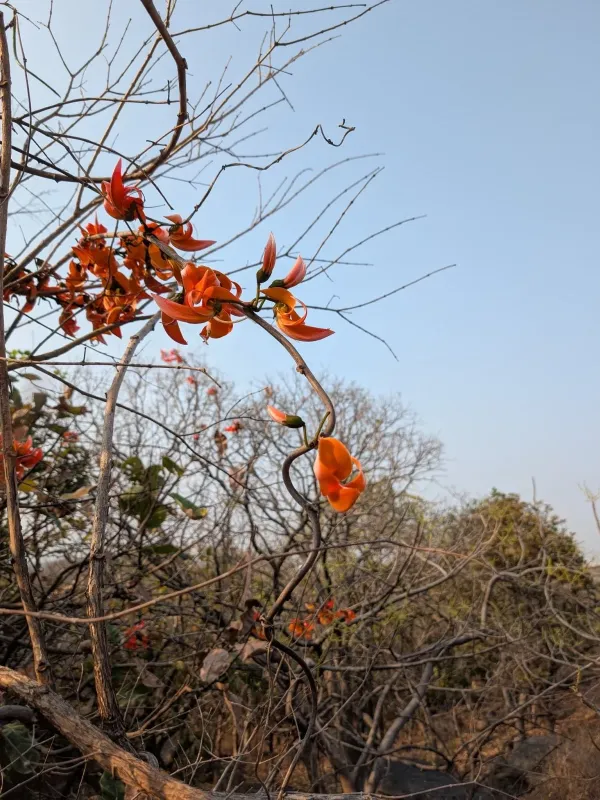
Botanically, it is a climbing plant that needs robust support structures to reach its full growth potential. Its leaves are compound and trifoliate, which is a classic characteristic of many leguminous species. It produces distinct, bright-colored flowers that add to its ecological value.
Propagation is typically achieved through seeds, which require proper scarification to break dormancy. Once established, the plant exhibits vigorous growth, provided it has enough space to expand its root system and sufficient vertical space to climb.
Harvesting
The primary economic focus of Butea superba cultivation is the harvesting of its tuberous roots. These roots contain unique phyto-androgens and flavonoid compounds that are highly valued in the production of traditional herbal medicines and modern dietary supplements.
Harvesting usually takes place 3 to 5 years after planting. During this time, the roots reach a sufficient size and concentration of bioactive compounds. The process involves manual excavation of the soil to extract the roots without causing excessive damage to the plant's structure.
Once harvested, the roots must be thoroughly cleaned of all soil debris. They are then sliced into smaller sections to facilitate drying. Proper drying is a critical phase, usually performed in controlled environments to prevent the degradation of heat-sensitive active ingredients.
The moisture content must be reduced significantly to ensure a long shelf life. Processed roots are then either ground into a fine powder or extracted using advanced pharmaceutical methods to create high-purity concentrates for export and local sale.
Sustainable harvesting practices are essential to balance the high market demand with the need to protect wild populations of Butea superba. Transitioning to organized plantation farming is the most viable strategy for meeting global supply needs while preserving biodiversity.