
Butea buteiformis
Butea buteiformis
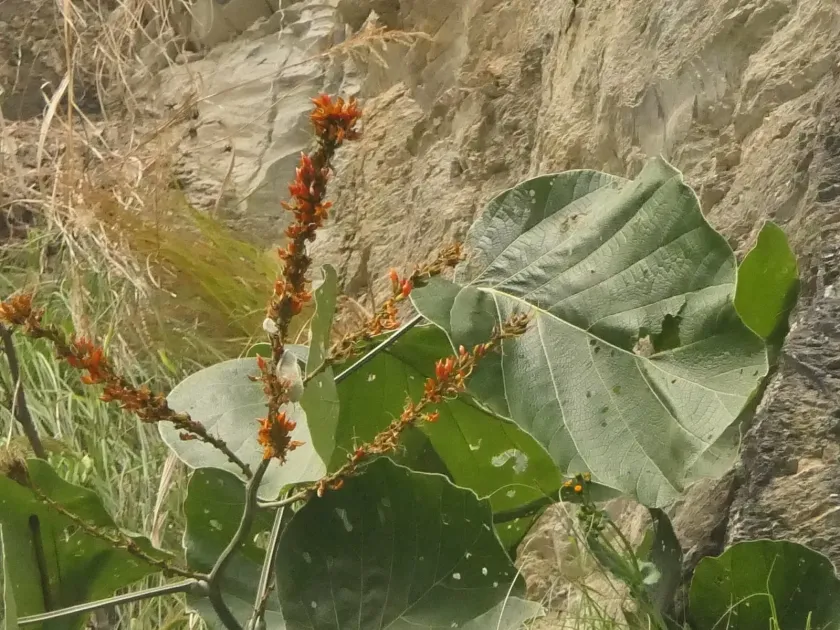
Description
Growing requirements
Butea buteiformis is a species belonging to the Arecaceae family. This perennial palm is known for its elegant foliage and robust structure, making it a significant plant within its natural range in tropical and subtropical zones.
To ensure optimal development, this palm requires a sunny position with well-draining soil. It thrives in soils that are slightly acidic to neutral, avoiding any conditions that promote water retention, which could be detrimental to the roots.
Temperature management is vital, as the plant prefers warm environments and is sensitive to frost. While mature plants show some resilience, protection is recommended in regions with volatile climate shifts to maintain the vitality of the foliage.
Agricultural practices for this culture involve a moderate irrigation schedule. During the growing season, consistent moisture is necessary, while the dormant period requires a reduction in watering to prevent root system stress.
In terms of usage, the plant is primarily cultivated for ornamental purposes in public landscapes and private gardens. Its ability to serve as a structural element makes it highly valued in interior landscaping and conservatories.
Main diseases and pests
Common health issues include fungal infections such as leaf spot, which are frequently triggered by poor air circulation and excessive humidity levels around the foliage.
Pests, particularly spider mites and mealybugs, are frequent threats to this palm. These pests thrive in dry environments and can quickly debilitate the plant if not detected during regular inspections.
Prevention is the most effective strategy, involving the maintenance of proper humidity levels and avoiding over-fertilization, which can attract soft-bodied insects.
In the event of an infestation, producers and gardeners are advised to utilize contact-based insecticidal soaps or neem oil solutions to minimize the impact on the plant's health.
Regular horticultural monitoring ensures that nutrient deficiencies or early signs of disease are addressed before they impact the overall yield or decorative value of the specimen.