
Burretiokentia grandiflora
Burretiokentia grandiflora
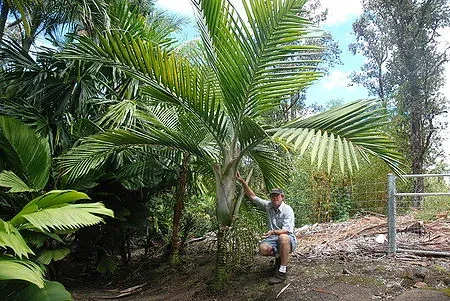
Description
Growing requirements
Burretiokentia grandiflora is a distinct palm species belonging to the Arecaceae family, native to the diverse and restricted ecosystems of New Caledonia. As an endemic plant, it typically thrives in humid forest understories, where it is often associated with ultramafic soil conditions that define its natural habitat.
Cultivation of this species requires a strictly controlled environment that mimics its native tropical climate. It demands high ambient humidity and protection from direct, intense sunlight, which can cause leaf scorch. Steady, warm temperatures throughout the year are essential for maintaining the health of the plant.
The soil medium must be highly porous and well-draining, yet capable of retaining moisture without becoming waterlogged. Growers must ensure that the planting site offers a slightly acidic to neutral pH balance, mirroring the mineral-rich soils of its native archipelago in the Pacific.
From a botanical standpoint, Burretiokentia grandiflora is characterized by its slender, single-stemmed morphology and large, gracefully arching pinnate leaves. Its growth habit is notoriously slow, making it a specialized subject for botanical gardens and experienced palm collectors rather than general horticulture.
The primary utility of this plant is focused on conservation and the preservation of rare germplasm. Because the species is naturally rare and faces pressures in the wild, its cultivation in nurseries and private collections plays a vital role in understanding its reproductive biology and long-term survival strategies.