
Burretiokentia dumasii
Burretiokentia dumasii
Description
Growing requirements
Burretiokentia dumasii is a rare and highly sought-after species of palm belonging to the Arecaceae family. It is an endemic plant native to the moist, tropical environments of New Caledonia, where it thrives in shaded forest understories with nutrient-rich soils.
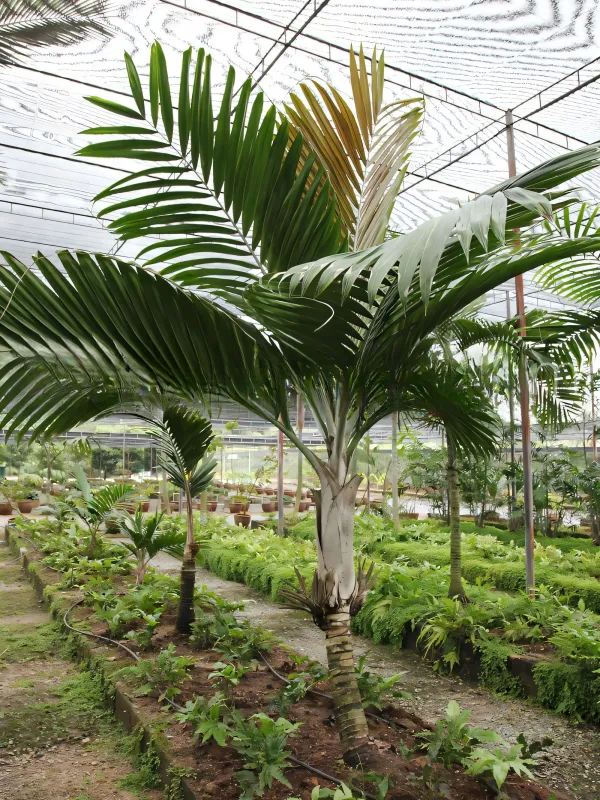
Botanically, this palm is characterized by its slender, solitary trunk and a crown of graceful, pinnate leaves. It is known for its slow growth rate, requiring patience and steady care to maintain its structural integrity and aesthetic appeal over time.
The climate requirements for this species are specific: it demands a warm, tropical environment with temperatures consistently between 20°C and 28°C. It is extremely sensitive to cold temperatures and frost, which will cause immediate tissue damage and potentially fatal shock to the plant.
Regarding soil, this palm requires a medium that is exceptionally well-draining yet capable of retaining moisture. An organic-rich, slightly acidic substrate is ideal, ensuring that the root system has access to air and nutrients without the risk of waterlogging, which is a major threat.
Light levels should be managed carefully. In its natural habitat, it grows in partial shade, so direct, intense sunlight should be avoided in cultivation. Bright, indirect light is best for fostering healthy leaf development and preventing the scorching of the foliage.
Yield
As an agricultural crop, Burretiokentia dumasii is not grown for food or fiber. Its primary value is horticultural and aesthetic, serving as a premium specimen plant in tropical botanical gardens, high-end interior landscaping, and specialized private plant collections.
Propagation is exclusively achieved through seeds, which are relatively slow to germinate. The germination process requires stable, high humidity and warm temperatures, often taking several months before the first true leaves emerge from the seedling stage.
Economic value in the industry is driven by its rarity and the difficulty of propagation. For nursery professionals, the "yield" is measured by the successful production of stable, healthy young palms that meet the high aesthetic standards required for premium ornamental sales.
Optimal growth performance is achieved through the balanced application of slow-release fertilizers specifically designed for tropical palms. Deficiencies in essential micronutrients, such as manganese or magnesium, can quickly manifest as chlorosis or necrosis on the older leaves.
Successful cultivation results in a balanced, healthy palm with a clean trunk and vibrant, lush green foliage. Given the slow growth rate, the horticultural cycle from seed to a mature, display-worthy specimen is a long-term commitment that defines its status as a luxury plant.
Main diseases and pests
The primary pathological threats to Burretiokentia dumasii include root rot and stem rot, typically caused by Pythium or Phytophthora fungi. These diseases flourish in poorly ventilated environments where moisture is allowed to stagnate around the base of the plant.
Pests commonly associated with this palm include spider mites, mealybugs, and scale insects. These pests feed on the sap of the plant, weakening the overall vigor of the palm and leaving behind sticky residues that can lead to secondary fungal issues like sooty mold.
Integrated pest management (IPM) is the best approach to handling these threats. Regular leaf inspections and the use of insecticidal soaps or neem oil, applied cautiously, can control pest populations without causing chemical stress to the palm’s sensitive tissues.
Preventative care is essential for maintaining plant health. This includes regular cleaning of the leaves to improve photosynthetic efficiency, ensuring proper airflow around the crown, and strictly avoiding overwatering, which is the most frequent cause of mortality in cultivation.
When an infestation or disease is detected, early isolation is necessary to prevent spread. Removing affected leaflets with sterilized tools and adjusting the environmental conditions (such as reducing humidity or increasing airflow) will significantly improve the plant's recovery prospects.