
Bucephalandra pygmaea
Bucephalandra pygmaea
Description
Growing requirements
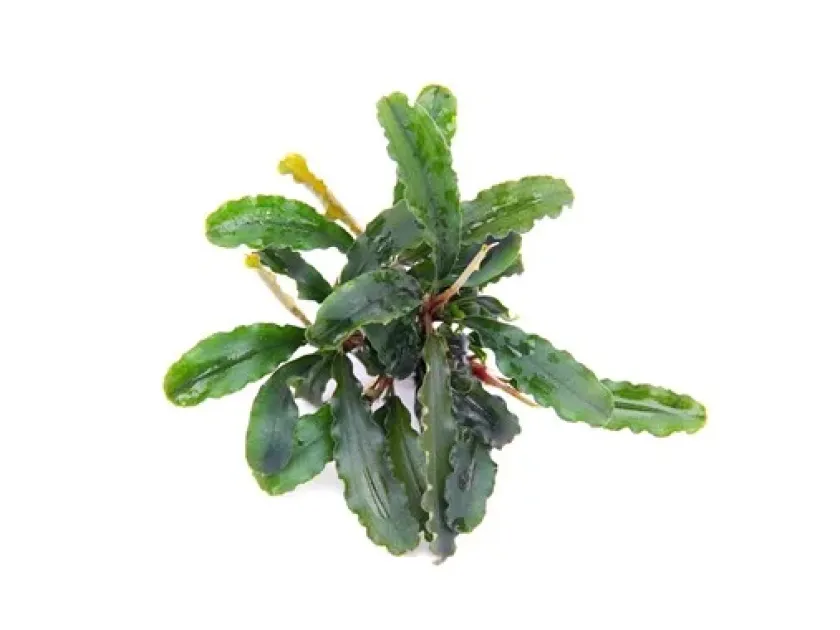
Bucephalandra pygmaea is a slow-growing rheophytic plant belonging to the Araceae family. Originating from the island of Borneo, it typically thrives on rocks and logs along the banks of fast-flowing rainforest streams, exhibiting a highly specialized adaptation to fluctuating water levels.
In cultivation, this plant requires a consistent environment with temperatures ranging from 22°C to 26°C. It is known for its sensitivity to sudden changes in water chemistry; therefore, maintaining stable pH and kH levels is crucial for preventing the melting of its delicate leaves.
The preferred method of planting involves attaching the rhizome to hardscape materials such as driftwood or volcanic rocks using specialized glue or fishing line. It is imperative that the rhizome remains exposed to the water flow, as burying it in a substrate often leads to rapid decay and plant loss.
Lighting requirements are generally low to moderate. While the plant can survive in lower light, providing moderate intensity often results in deeper coloration and more compact leaf structure. Supplementing with carbon dioxide (CO2) is not strictly necessary but significantly promotes growth rates and overall vitality.
For emersed growth in terrariums or greenhouses, humidity must remain high, ideally above 80%. A well-draining, slightly acidic soil mixture composed of peat and perlite ensures that roots receive enough moisture without becoming waterlogged, mirroring the humid microclimate of its natural Borneo habitat.
Main diseases and pests
The most common issue is the so-called "melting" of leaves, which occurs due to environmental shock. This phenomenon is often triggered by sudden transitions between submersed and emersed conditions, or by rapid fluctuations in nutrient levels, leading to the cellular breakdown of leaf tissues.
Algae infestation represents a significant threat to Bucephalandra, as the slow growth rate of the plant makes it susceptible to being overgrown. Common pests include hair algae and spot algae, which compete for light and nutrients, ultimately weakening the host plant if left unchecked.
Bacterial rot of the rhizome is a critical threat, usually occurring after improper handling or cutting. To mitigate this risk, it is important to keep the water clean and ensure adequate circulation around the plant, preventing the accumulation of organic waste that promotes pathogen growth.
Nutrient deficiencies, specifically regarding potassium and magnesium, can result in stunted growth and chlorosis. Monitoring water parameters and adjusting the fertilization schedule is vital to ensuring that the plant maintains its vibrant green or reddish hues throughout the year.
In terrestrial or semi-terrestrial setups, aphids and spider mites may target the foliage. These pests thrive in dry environments and can be controlled by increasing the surrounding humidity or using neem oil-based treatments, which are generally safe for aroid species when applied in moderation.